Adventure · New game
Hush, Then Bloom
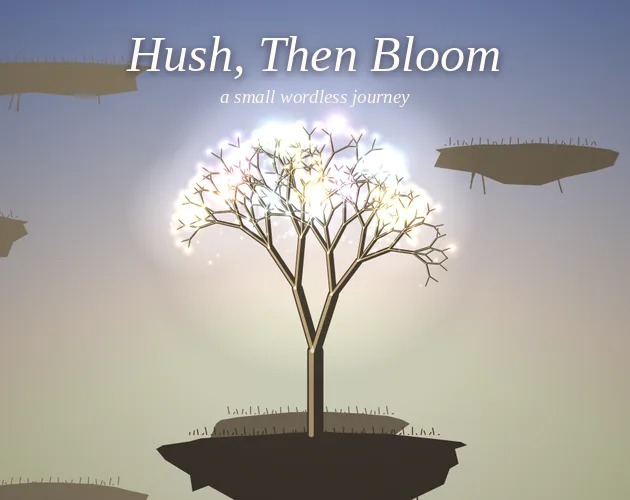
A short, wordless journey in which a single small light wakes others, calms cold mists with song, and climbs toward a great tree that blossoms on the music.
#5 this weekAI-assisted: Code, Graphics, Sound, Text
The game runs in this tab. No install, no account.
The short answer
Hush, Then Bloom is a free, wordless adventure built for thatgamejam #02 and playable instantly in a browser, with a Windows download for desktop players. One small light gathers other lights, steers them past cold mists, and brings them to a great tree before the theme track blooms. A first run takes about five to eight minutes.
What is Hush, Then Bloom?
Hush, Then Bloom is a small, wordless adventure made for thatgamejam #02, and its structure follows the jam's theme track rather than a conventional level map. The player controls one small light in a sleeping world. The task is to wake other lights, carry them through dark ground and cold wind, and deliver them to a great tree in time for the music.
It runs as HTML5 in the browser and is also offered as a Windows download, and it costs nothing to play. The journey is measured in minutes: a first pass runs roughly five to eight minutes, which makes it a single-sitting game rather than a campaign.
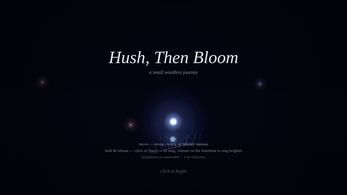
Nothing is explained in text inside the game, so movement, sound and light carry the story. The arc is split into three movements — a hush, a pulse and a bloom — matching how the theme track opens quietly, builds a steady beat and then releases. The hush is a dark meadow where visibility is deliberately poor; the pulse is a climb through wind timed to a heartbeat; the bloom is the finale.
How to play
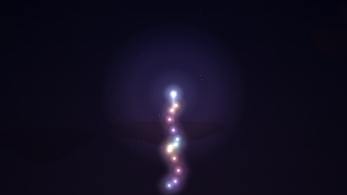
The run opens in near-darkness. Steering is direct: the light follows the pointer or a finger, and the WASD or arrow keys do the same work. Touching a sleeping light wakes it, and woken lights then travel with the player instead of staying where they were found. Dark veils blocking the route only open once enough lights are travelling along, so gathering is progress rather than decoration.
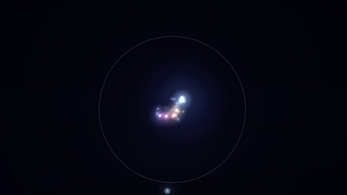
Singing is the one timed action. Holding a click, a touch or the space bar and then releasing produces a song, and releasing at the moment the heartbeat ring finishes closing makes that song brighter. A brighter song reaches further, which is how distant sleeping lights are woken and how cold mists are settled.
Cold mists are the hazard. They scatter the lights in the player's company, and the recovery loop is simply to find them again — being scattered is a setback, never a permanent loss. The journey closes in the bloom, where the theme track plays in full and each carried light blossoms on the tree on the music's accents.
Controls
Movement has three interchangeable routes: the pointer, a touch, or the WASD and arrow keys. Because the light follows the pointer, aiming and moving are the same action, with no separate cursor to manage. Singing is bound to holding and releasing either a click, a touch or the space bar, so the timing works identically whichever scheme suits the player.
Each route can carry a full run. A mouse alone handles both steering and singing, a keyboard alone handles both through keys, and a touchscreen alone handles both through direct contact. Fullscreen is available from the keyboard: F in the browser, F11 on the desktop build.
The Windows version arrives as a zip archive containing an executable. That build is unsigned, so Windows SmartScreen may interrupt the first launch; the prompt is cleared by choosing the option for more information and then running the app anyway. Playing in the browser avoids that step entirely.
| Input | Action |
|---|---|
| Mouse | Steer the light, which follows the pointer |
| Touch | Steer the light with direct contact |
| WASD or arrow keys | Move the light |
| Click, touch or Space (hold and release) | Sing; releasing as the heartbeat ring closes produces a brighter song |
| F | Toggle fullscreen in the browser |
| F11 | Toggle fullscreen in the desktop build |
Tips for your first run
The dark meadow is meant to be dim, and the timing cue is meant to be heard as much as seen, so a few small adjustments make the first attempt noticeably smoother than going in cold.
Treat the heartbeat ring as the whole skill ceiling of the game. Almost every mistake in an early run traces back to releasing late or early rather than to steering.
- Release on the closing ring rather than after it; the brighter song is the one that reaches far-off lights.
- Listen for the heartbeat before pressing, because the cue arrives through sound as well as through the ring.
- Wear headphones; the audio carries both the timing and the mood of the climb.
- After a mist scatters the group, double back and collect the strays — they always remain recoverable.
- Switch to fullscreen with F in the browser or F11 on desktop so the faint detail in the dark meadow reads clearly.
- Budget a single short sitting of roughly five to eight minutes and let the three movements run uninterrupted.
Content and replayability
The game is one continuous journey rather than a set of separate stages. Its three movements — hush, pulse and bloom — flow into each other, and the finale is where the theme track by Jason Grace plays unmodified, with carried lights blossoming on the tree in time with the music's accents. That track appears only inside this jam entry.
Replay interest comes from the singing rather than from unlocks or branching routes. A first run is spent learning how early to release; later runs are spent stringing brighter songs together so distant lights wake sooner and mists settle faster, which changes how much of the group arrives at the tree. The compact length of about five to eight minutes makes a second attempt cheap.
It is built as a single-player experience from start to finish, with the pointer, keyboard and touch each able to drive a complete run. The appeal is the short, complete arc rather than a long tail of content: the game sets up a sleeping world, asks for a handful of gathered lights, and closes on the bloom.
Presentation and performance
Visually and sonically, everything is generated procedurally at runtime by the game's own code — the dark meadow, the veils, the lights and the ambient bed all come from the same JavaScript and HTML5 canvas foundation, with an Electron wrapper for the Windows build. No image, video or music models were used inside the game.
The single exception is the finale, which uses the jam's official theme track by Jason Grace unmodified rather than a generated piece. That choice is what the three-movement structure is built around: the quiet opening, the steady growing pulse and the release are mirrored in how the light is played.
Hush, Then Bloom is made by Rajesh Mullippa with Hark, an AI agent that designed the game and wrote its code, and the project discloses that it contains AI-generated content. Because the whole thing is light on assets and runs in a browser frame, it starts quickly and suits a short session with headphones on.
Who should play it
This suits players who want a compact, atmospheric exploration game that can be finished before a coffee goes cold. The tone is gentle and cute, the pace is relaxing, and the interaction is gathering, singing and recovering stray lights rather than fighting anything.
It also suits anyone drawn in by music design. The heartbeat that governs singing, the wind that accompanies the climb and the full theme track at the finale make sound the spine of the experience, so a player who enjoys listening closely gets more out of it than one who plays muted.
Jam followers and players curious about AI-assisted development have a clear reason to look: the entire game, visuals and audio included, comes from code written by an AI agent working with a human developer. Anyone after a long campaign, competitive modes or deep systems should look elsewhere — this is a five-to-eight-minute wordless journey with a single arc and one destination.
Screenshots
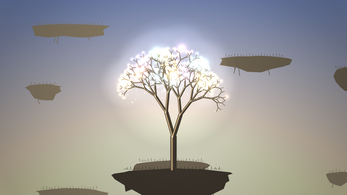
How we tested it
The build was loaded from games.debutplay.com in a headless Chromium session on ; the canvas started and no request was blocked. The guide was last checked on .
From the developer
Hush, Then Bloom — a small, wordless journey made for thatgamejam #02.In the hush of a sleeping world you are a single small light. Wake the other lights, carry them through the dark and the cold wind, and bring them home to the great tree in time for the music to bloom.HOW TO PLAY- Move: mouse or touch (your light follows the pointer), or WASD / arrow keys.- Hold and release (click or Space) to sing. Release just as the heartbeat ring closes to sing brighter: a brighter song reaches further, wakes sleeping lights and calms the cold mists.- Touch sleeping lights to wake them. The dark veils open when enough lights travel with you.- Cold mists scatter your lights. Find them again; nothing is ever lost for good.- About 5–8 minutes. Headphones recommended. Fullscreen: F (browser) or F11 (desktop).ABOUT THE THEMEThe track moves from a quiet, searching opening into a steady, growing pulse that swells and then lets go. The game follows that…
Frequently asked questions
How long does Hush, Then Bloom take to finish?
A run is designed to last about five to eight minutes. The journey is continuous, moving through a hush, a pulse and a bloom, so it is generally finished in one sitting without saving or returning later.
Does Hush, Then Bloom cost anything?
No. It is free to play, both in the browser as an HTML5 game and as a Windows download, with no purchase required to reach the finale and the theme track.
What platforms can it be played on?
It runs as HTML5 in a browser and as a downloadable Windows build. Touch input is part of the control scheme, so a touchscreen can steer and sing, alongside mouse and keyboard options.
Do you need sound to play it?
Headphones are recommended, and the timing cue is audio as well as visual: the heartbeat ring shows when to release, while the heartbeat itself is heard. Playing muted makes the brighter-song timing harder to judge.
Who made the game and the music?
Rajesh Mullippa made it with Hark, an AI agent that designed the game and wrote its code, and the project discloses AI-generated content. The finale theme track is by Jason Grace and is used unmodified.
Windows showed a warning when launching the download — what now?
The Windows app is unsigned, so SmartScreen may appear on first launch. Clearing it means choosing the option to see more information and then running the app anyway. The browser version needs no such step.
What games are similar to Hush, Then Bloom?
The closest matches on DebutPlay are Angler’s Wake, Pippin, After the Tone. They share the same genre, so the controls and the pace carry over.
Something wrong or missing? Tell us. How we test games.