Role Playing · New game
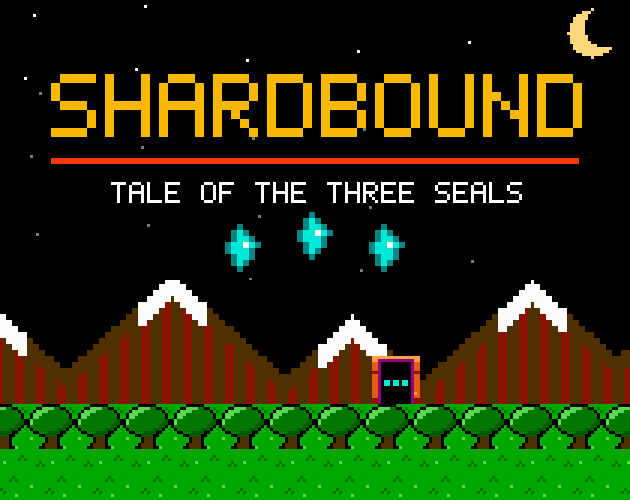
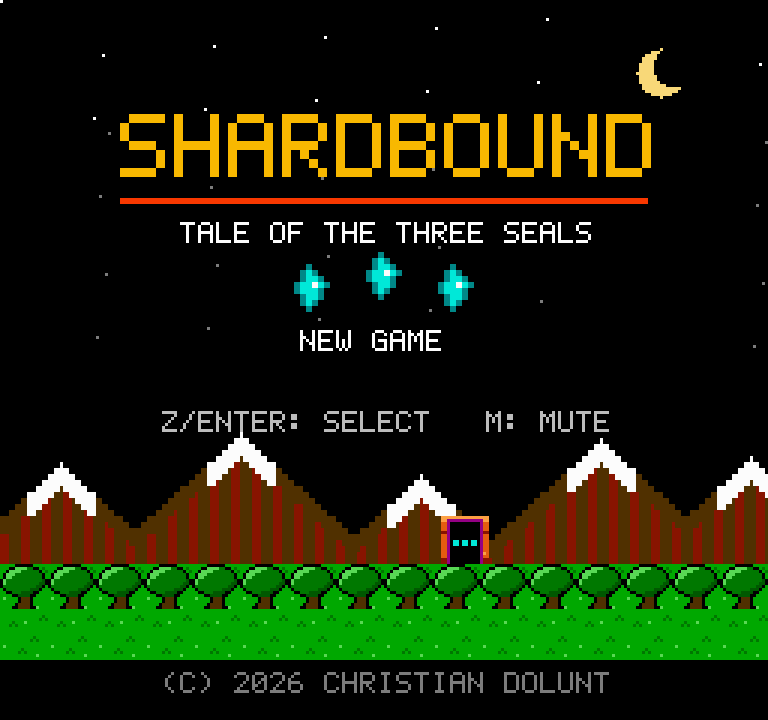
SHARDBOUND: Tale of the Three Seals
A free browser action RPG that sends you across a 36-screen pixel kingdom to gather three Seal Shards and confront the Hollow King.
Play on itch.io
Play SHARDBOUND: Tale of the Three Seals
A free 8-bit action RPG you can open in a browser tab: 36 screens of pixel overworld, six biomes, two towns and four dungeons ending in named bosses. Gather three Seal Shards, level up, and face the Hollow King. Touch controls cover…
Play on itch.io ↗itch.io blocks third-party embeds, so the game opens on the developer's page. No install, no account.
The short answer
A free 8-bit action RPG you can open in a browser tab: 36 screens of pixel overworld, six biomes, two towns and four dungeons ending in named bosses. Gather three Seal Shards, level up, and face the Hollow King. Touch controls cover phones, so it plays the same on a laptop or a handset.
What is Shardbound: Tale of the Three Seals?
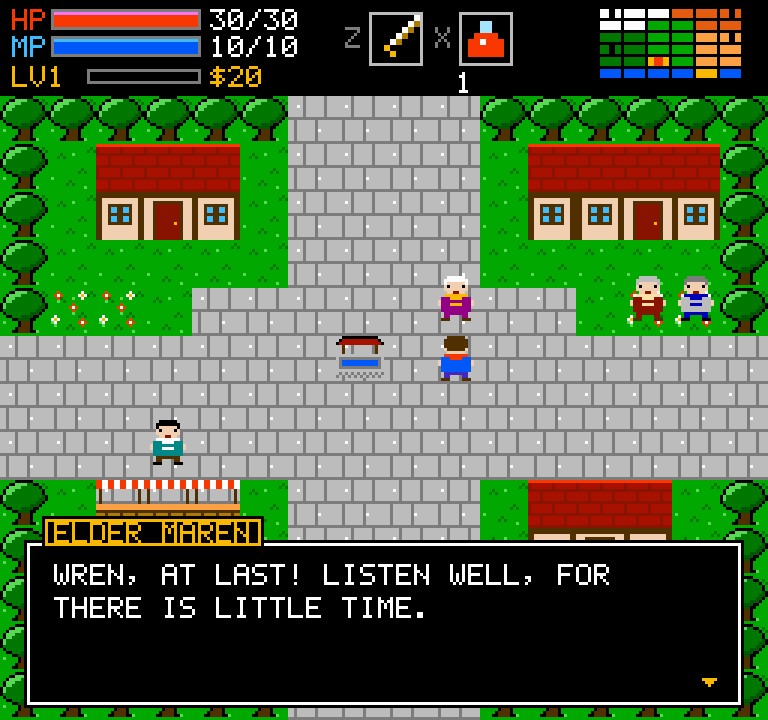
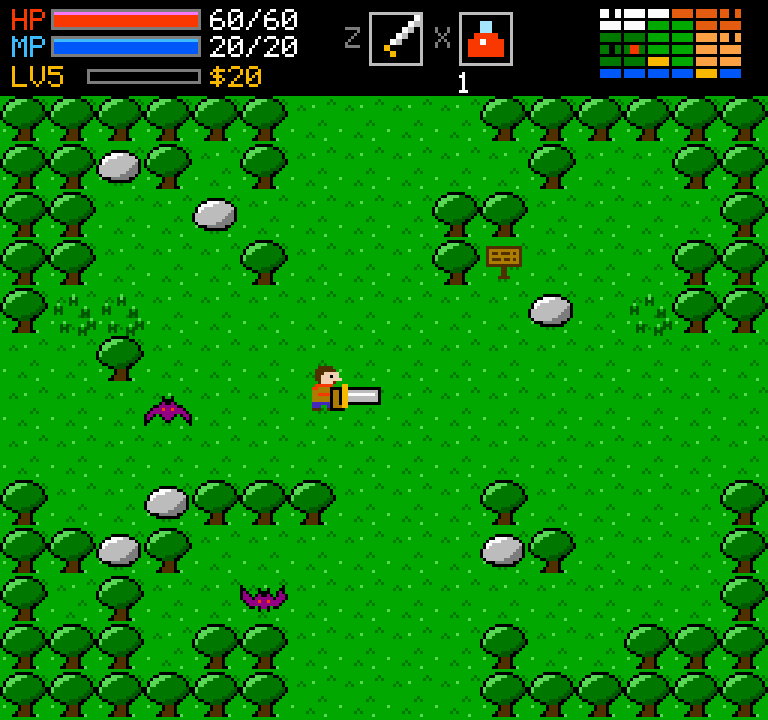
Shardbound: Tale of the Three Seals is an 8-bit action RPG with an open world, played from a top-down view inside a browser window. The goal is straightforward: cross a pixel kingdom, collect three Seal Shards, and take the fight to the Hollow King. Between the opening screen and that confrontation sits a 36-screen overworld laid out as a 6x6 grid, divided into six biomes that run from grassland and a haunted forest through scorching dunes and frozen wastes to mountain peaks and coastline.
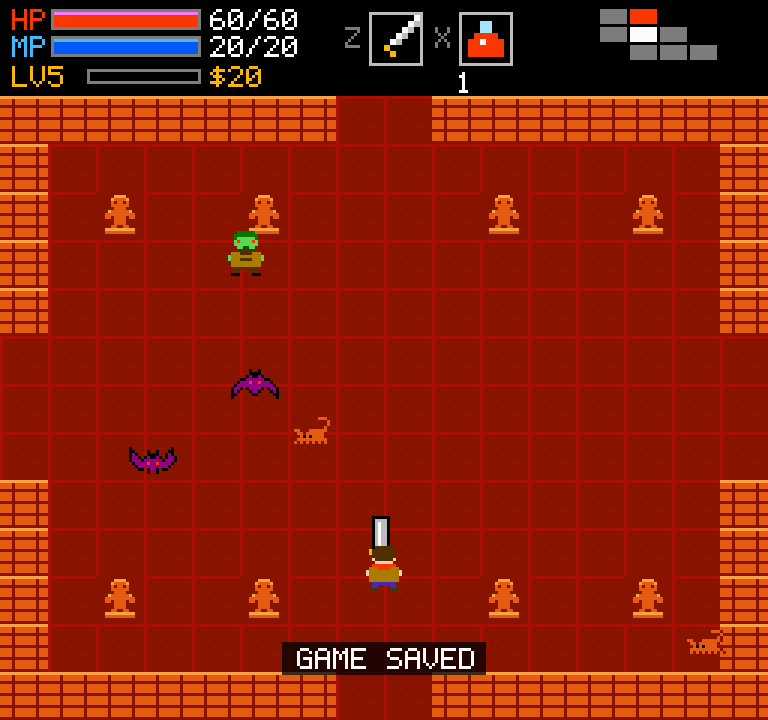
Two towns anchor the map, home to 12 NPCs and stocked with shops and inns. Four dungeons sit out in the wilds, and each one closes with its own boss: the Bramble King, the Dunewyrm, the Rime Wraith and, at the end of the chain, the Hollow King. A day/night cycle runs over the entire kingdom, and certain creatures only emerge after dark.
The design pairs old-school top-down adventuring with the bones of a classic RPG: experience and levels, gear to collect, quests to track. There is nothing to install before the first screen loads, and the same build runs on desktop and mobile browsers, with touch controls appearing on phones.
How to play
Progress comes from three directions that feed each other: quests, combat and equipment. Townsfolk hand out work, and a quest log tracks the main quest alongside four side quests, so accepted jobs stay visible. Fighting earns XP toward levels, and loot turns up as you travel.
Gear is a choice of loadout rather than a single upgrade line, with four swords, four armors and two shields in the pool. Ranged and magical options sit beside the blade: a bow and a fire spell, with potions and ethers rounding out the item pouch. Ten enemy types each behave in their own way, so a route that works in the grasslands will not automatically hold up in the frozen wastes.
The two towns act as pit stops, holding shops and inns. Progress is kept through save and load, and auto-save fires whenever you are in a town or at an inn. Because the day/night cycle changes which creatures are about, the same screen can play differently depending on the hour you cross it. Dungeon runs are the spine of the game: four of them, each gated behind its own boss, with the Hollow King waiting at the end.
Controls
Keyboard play uses two parallel layouts. Movement runs on the arrow keys or WASD. Z or J is the action button, covering attacks, conversations and opening chests. Item use sits on X or K, and Q or Tab cycles through the item set. E or Space is a dedicated talk key, Enter or Esc opens the menu, and M mutes the audio.
On a phone the keyboard drops away and an on-screen stick plus buttons take over. Because the game runs as an HTML5 frame in the browser, there is no download step between deciding to play and seeing the first screen.
One quirk is worth knowing before the first conversation. The action key and the talk key overlap in purpose: Z or J will talk to an NPC, while E or Space is talk only. Either works for conversations, but only the action key opens chests, which is worth remembering when standing in front of one.
| Input | Action |
|---|---|
| Arrow keys or WASD | Move |
| Z or J | Attack, talk and open chests |
| X or K | Use item |
| Q or Tab | Cycle items |
| E or Space | Talk |
| Enter or Esc | Open menu |
| M | Mute audio |
| On-screen stick and buttons | Touch controls on phones |
Tips for your first run
The opening hour goes more smoothly with a small routine. The overworld is large enough that wandering without a plan burns time, and the quest log is the cheapest map you have. Treat the towns as more than scenery: they are where supplies come from and where progress is quietly recorded.
- Bank progress at every town and inn. Auto-save triggers in those two places, so each visit is a natural checkpoint before pushing into a new biome.
- Check the quest log after every round of conversations. The main quest and the four side quests all sit in one list, and it is easy to accept work and forget it.
- Cycle items with Q or Tab before a dungeon door. The bow, fire spell, potions and ethers all live in the same pouch, and the right tool should be one press away.
- Watch the clock. Some creatures only come out at night, so a screen cleared at noon may not be clear after dark.
- Give both towns a full lap. Twelve NPCs are spread across them, and townsfolk are where quests originate.
Content and replayability
The content is easy to count: 36 overworld screens across six biomes, two towns, 12 NPCs, four dungeons, four named bosses, ten enemy types, one main quest and four side quests. The equipment pool is four swords, four armors and two shields, backed by a bow, a fire spell, potions and ethers.
Several systems push against a single straight line through the map. Four swords and four armors give real choice about what to carry into a fight, and the two shields change how much punishment a run can absorb. The day/night cycle means a region crossed in daylight can hold different creatures when you come back after dark, so old ground is not always finished ground.
The four bosses give the run its shape: the Bramble King, the Dunewyrm, the Rime Wraith and the Hollow King. Each sits at the end of its own dungeon, which makes for clear milestones if you like knowing how far along you are. Add the quest log and the level curve, and there is a defined route to finish rather than an endless sprawl.
Presentation and performance
The look is 8-bit pixel art viewed from above, carried across all six biomes, from the grasslands to the frozen wastes. Every sprite, sound and note in the game is generated in code rather than shipped as external assets, which gives the whole thing a consistent, hand-built feel.
Audio is an original chiptune soundtrack with a track for each area, so the haunted forest and the coast do not share a mood. The mute key is M if you need to silence it in a shared room.
The game runs in a browser as an HTML5 title on desktop and mobile. On a phone, an on-screen stick and buttons replace the keyboard, which keeps the same actions available without a physical key layout. Save and load means a session can be picked up again later, with auto-save in towns and at inns doing the housekeeping. The day/night cycle is a visible part of the presentation too, since the creature mix shifts after dark.
Who should play it
This is a natural fit for anyone who grew up on top-down 8-bit adventures and wants that structure without an install step. The three Seal Shards and the Hollow King give a clear objective, which suits players who prefer a defined goal over pure wandering.
It also works for people who play in short browser sessions. Towns and inns auto-save, the quest log holds unfinished side work, and there is no launcher or patcher between sessions. Phone players get the same build with touch controls rather than a stripped-down version.
Completionists have plenty to tick off: 36 screens, six biomes, two towns, 12 NPCs, four side quests, four dungeons and four named bosses. Players who like tuning a loadout will find four swords, four armors and two shields worth experimenting with. And if chiptune matters to you, the per-area soundtrack is a reason on its own.
Screenshots
From the developer
An 8-bit open-world action RPG. Explore a sprawling pixel kingdom, gather the three Seal Shards, and face the Hollow King. Shardbound mixes old-school top-down adventuring with classic RPG depth. Roam a 36-screen overworld across grasslands, haunted forest, scorching dunes, frozen wastes, mountain peaks and the coast. Take on quests from townsfolk, level up, collect loot, and fight your way through four dungeons, each with its own boss. Features A 6x6-screen overworld with 6 biomes and a day/night cycle (some creatures only come out at night) 2 towns, 12 NPCs, shops and inns 4 dungeons with bosses: the Bramble King, the Dunewyrm, the Rime Wraith and the Hollow King A main quest plus 4 side quests, tracked in a quest log XP and leveling, with 4 swords, 4 armors and 2 shields A bow, a fire spell, potions and ethers 10 enemy types with their own behaviors Save and load, with auto-save in towns and at inns An original chiptune soundtrack…
Read the full description on itch.io →Frequently asked questions
Is Shardbound: Tale of the Three Seals free?
Yes. It costs nothing to play and runs in a browser, so there is no purchase step between opening the game and starting.
Does it work on phones?
Yes. It plays in the browser on desktop and mobile, and phones get an on-screen stick and buttons in place of the keyboard.
Can progress be saved?
Yes. There is save and load, plus auto-save whenever you are in a town or at an inn, so those stops double as checkpoints.
How many dungeons and bosses are there?
Four dungeons, each with its own boss: the Bramble King, the Dunewyrm, the Rime Wraith and the Hollow King.
What is the goal?
Collect the three Seal Shards scattered across the pixel kingdom and then face the Hollow King at the end of the run.
Are there side quests?
Yes. A main quest runs alongside four side quests, and all of them are tracked in a quest log so accepted work stays visible.
Something wrong or missing? Tell us.