Simulation · New game
Colony Sim
A free voxel god game about raising a queen, designing an insect species, and handing the digging, foraging and fighting to a neural-network hive mind.
#48 this weekAI-assisted: Code, Text
The game runs in this tab. No install, no account.
The short answer
Colony Sim is a free voxel ant colony simulator and insect god game in active development from Digital Scientist. Choose one of ten species or assemble a hybrid, dig out a nest, then set goals and plant flags while a neural-network hive mind decides who digs, forages, nurses and fights. It runs in a browser on PC and phones, with an offline Android build.
What is Colony Sim?
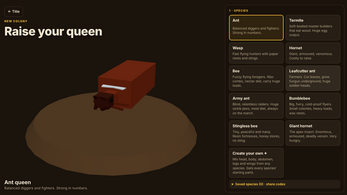
Colony Sim is a voxel simulation about running an insect colony, and it works as a god game as much as a management one. A run starts from a queen and a species rather than a premade faction. Ten stock options are on the roster: ordinary ants, termites, wasps, hornets, honey bees, leafcutter ants, army ants, bumblebees, stingless bees and giant hornets. The species builder goes further, letting you combine heads, bodies, abdomens, legs and wings from any of them, repaint the result, add markings and trade the finished creature as a code.
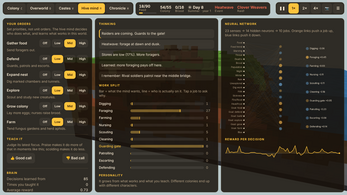
What separates it from a standard colony sim is what you are not doing. Individual insects are never under direct command. Instead you set goals and plant flags, and a small neural network running the hive mind decides which colony members dig, forage, nurse and fight. It learns from what works, grows its own personality, and can be asked why it made a particular choice. Praise and scolding nudge it further, and a trained brain can be passed to friends as a code.
Around that core sits a survival loop: seasons turn, floods and wildfires arrive, predators hunt, and rival colonies compete for the same ground. The whole thing is free and in active development from Digital Scientist.
How to play
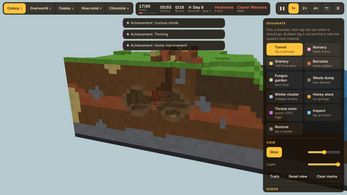
A run begins with a queen and a species choice. From there the colony needs somewhere to live, and the ant-farm nest view is where that happens. You carve tunnels and add rooms as the colony grows: nurseries, granaries, barracks, fungus gardens, honey stores and a throne room. The nest is built by hand; the work of filling it is not.
Play then shifts from control to direction. Goals and flags carry your intent, and the neural hive mind translates that intent into work assignments across digging, foraging, nursing and fighting. Asking why it made a choice, then praising or scolding the answer, is the main lever for shaping behaviour, and the colony's personality drifts with that feedback over time.
The climate shifts every two years, which gives a long colony a rhythm to plan around. Floods, droughts, wildfires, heatwaves and frost arrive as weather and era events, alongside predators and three rival colonies that can be gifted, truced with or razed. Queens age, princesses take over, and the species mutates across generations, so a colony that survives long enough stops resembling the one you founded.
Controls
Colony Sim is played through intent rather than steering. You never grab an individual insect; the two verbs that matter most are setting goals and planting flags, and the neural-network hive mind turns those into digging, foraging, nursing and fighting assignments. The feel is closer to a god game's influence than to a selection box.
The game runs in a browser on PC and on phones, with touch controls supported on mobile. Digging out the nest is the most hands-on part of the interface: carving tunnels and placing rooms such as nurseries, granaries and the throne room in the ant-farm view.
Camera tools sit alongside that, including a cinematic camera and a photo mode for framing the voxel landscape. Talking to the hive mind, asking why a decision was made and then praising or scolding it, is part of the ordinary loop rather than a buried menu.
The game page does not list its controls. Check the in-game tutorial or pause menu for the current scheme.
Tips for your first run
The species decision is worth taking slowly. Ten stock species span a range from honey bees to army ants, and the builder allows heads, bodies, abdomens, legs and wings to be spliced together before repainting and adding markings. Keep the code if the result turns out well; species and trained brains can both be shared.
Once the queen is in place, the temptation is to micromanage. The hive mind only becomes interesting when it has goals to work against and feedback to learn from, so the early run is mostly about giving it both.
- Plant flags as soon as a need appears rather than waiting for the colony to idle.
- Ask the hive mind why it chose something before scolding it; the answer shows what it is optimising for.
- Treat the two-year climate shift as a deadline, because floods, droughts, heatwaves, frost and wildfires all reward preparation.
- Work the food web instead of a single source: aphids can be herded, and caterpillars, beetles, spiders, mantises, frogs, lizards and birds share the map.
- Watch the three rival colonies, since gifting, truce and razing are all options and outposts and daughter colonies extend reach.
- Plan for succession early, because queens age and princesses eventually take over.
Content and replayability
Structured content sits on top of the sandbox: 8 scenarios, 21 achievements, an encyclopedia, a photo mode and a cinematic camera. The encyclopedia rounds out the reference material, while the camera tools are for showing a colony off rather than running it.
Replay value comes from the roster and the builder. Ten species plus hybrids, mutation across generations and a queen who eventually hands over to a princess mean two colonies started the same way can end up in very different places. Every insect has a name and a life story, and heroes are remembered in the memorial, which gives a long-running colony a history rather than a scoreline.
Three rival colonies add diplomacy options, whether that means a gift, a truce or a razing, and outposts and daughter colonies give expansion somewhere to go. Species codes and trained brains can be shared, so a clever build or a well-taught hive mind can travel between players.
Presentation and performance
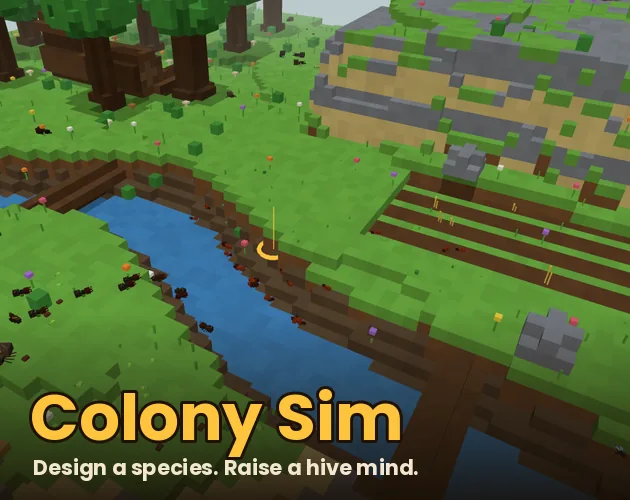
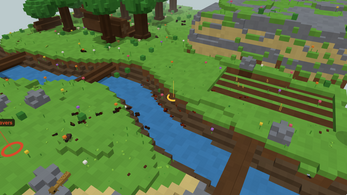
The look is voxel throughout, from the insects to the nest to the landscape around it. The ecosystem spans meadow, forest, river, cliffs, desert, swamp and caves, plus a farm field where a Giant walks, which is the sort of detail that does a lot of worldbuilding without a word of exposition.
Wildlife fills those biomes: aphids to herd, caterpillars, beetles, spiders, mantises, frogs, lizards, birds and parasitic wasps. Weather sells the same sense of scale, with floods, droughts, wildfires, heatwaves and frost rolling through on the two-year climate cycle.
Delivery is light. The game runs in a browser on PC and phones, and an offline Android APK exists for play without a connection. The colony autosaves on the device, so a session does not need a manual save ritual. It is in active development, which is worth knowing before committing to a long colony.
Who should play it
Anyone who has watched an ant farm and wanted to meddle will find the premise familiar: a queen, a nest and a colony that grows. God-game players who prefer influence over click-perfect control are the second audience, because the hive mind handles the moment-to-moment decisions while you handle intent.
It also suits players who like systems more than scripts. The food web, the two-year climate cycle, mutation across generations and rival colonies all interact, and the feedback loop with the hive mind rewards tinkering. Sandbox players who want to build a species and share the code have an obvious reason to keep coming back.
The caveat is status. Colony Sim is free and in active development, so it is best approached as a simulation to grow with rather than a finished campaign.
Screenshots
How we tested it
The build was loaded from games.debutplay.com in a headless Chromium session on ; the canvas started and no request was blocked. The guide was last checked on .
From the developer
Raise a queen. Design a species. Teach a hive mind. Colony Sim is a free voxel ant colony simulator and insect god game. Pick one of ten species (ants, termites, wasps, hornets, honey bees, leafcutter ants, army ants, bumblebees, stingless bees, giant hornets) or build your own hybrid species from their heads, bodies, abdomens, legs and wings. Then guide your colony through seasons, floods, wildfires, predators and rival colonies. You don't command single insects. You set goals and plant flags, and a small neural-network hive mind decides who digs, forages, nurses and fights. It learns from what works, grows its own personality, and you can ask it why it made a choice, praise or scold it, or share its trained brain with friends as a code. Features Species builder: mix body parts from any insect, repaint, add markings, share species codes Ant-farm nest view: dig tunnels, nurseries, granaries, barracks, fungus gardens, honey stores and…
Frequently asked questions
Is Colony Sim free to play?
Yes. The game is free, and tips are optional rather than required. It runs in a browser and also ships as an offline Android build.
Can you play it on a phone?
Yes. It runs in a browser on phones with touch controls supported, and there is a separate offline Android APK. The colony autosaves on the device.
Do you command individual insects?
No. Orders are indirect: you set goals and plant flags, and the neural-network hive mind decides who digs, forages, nurses and fights.
How does the hive mind improve?
It learns from what works and develops its own personality. It can be asked why it made a choice, praised or scolded, and its trained brain can be shared as a code.
What happens when a queen gets old?
Queens age and princesses take over, and the species mutates across generations, so the colony changes over a long run.
Can you share colonies or species with friends?
Species built from mixed body parts can be shared as codes, and a trained hive mind can be passed along as a code too.
What games are similar to Colony Sim?
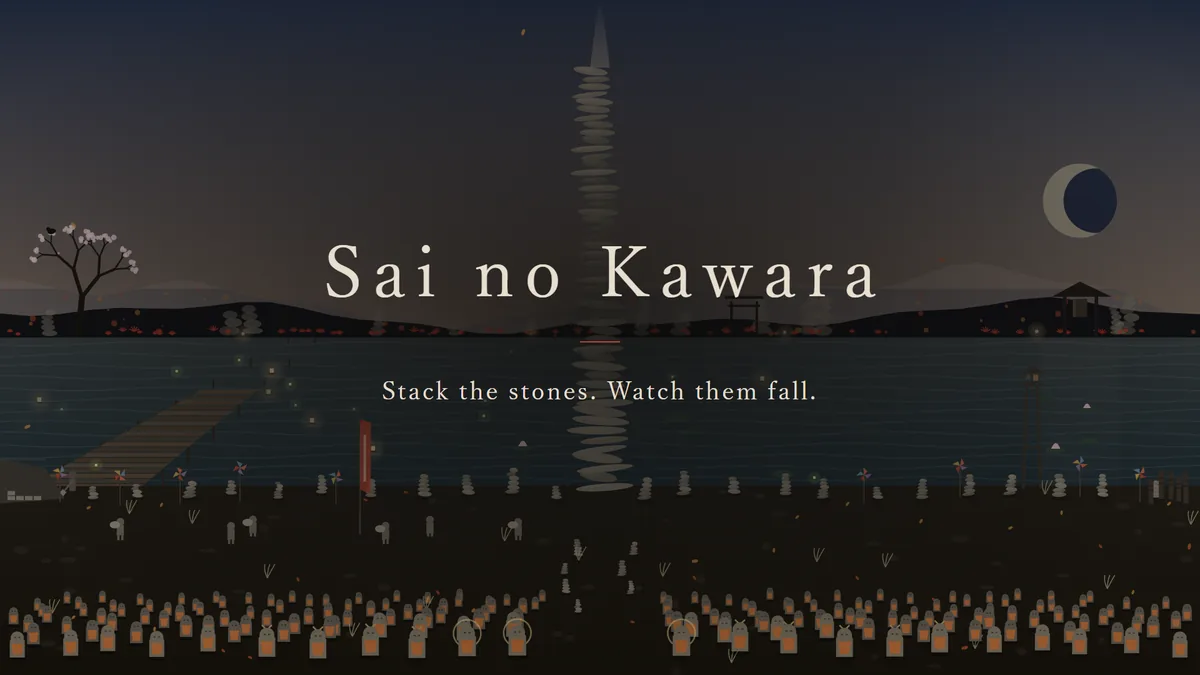
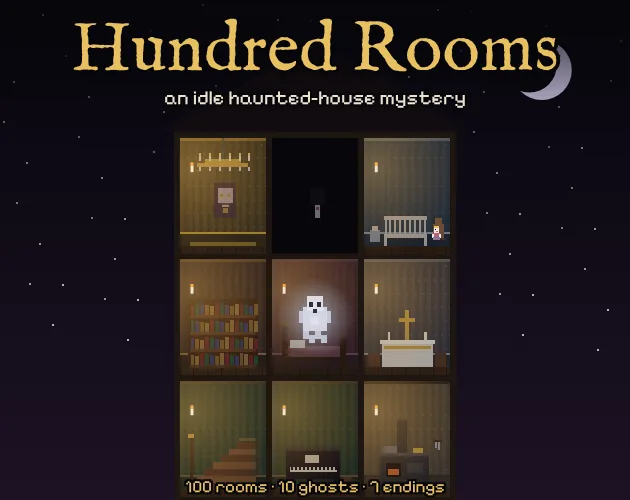
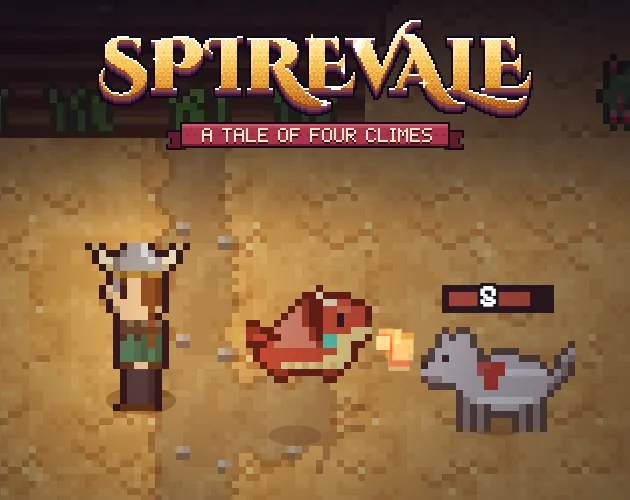
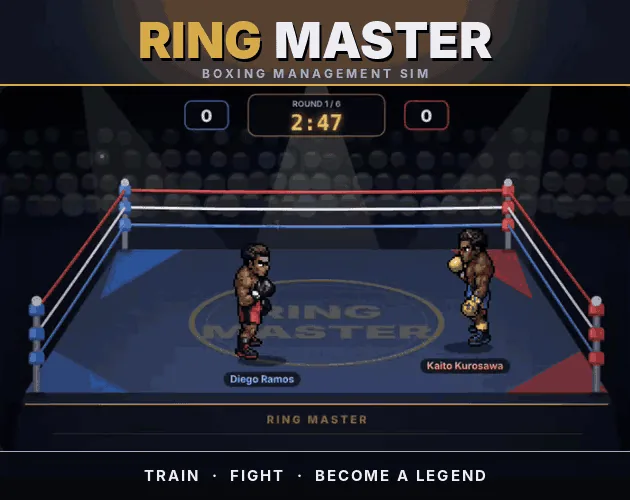
The closest matches on DebutPlay are Sai no Kawara, Hundred Rooms, Spirevale (Demo). They share the same genre, so the controls and the pace carry over.
Something wrong or missing? Tell us. How we test games.