Simulation · New game
Earthward, Somehow
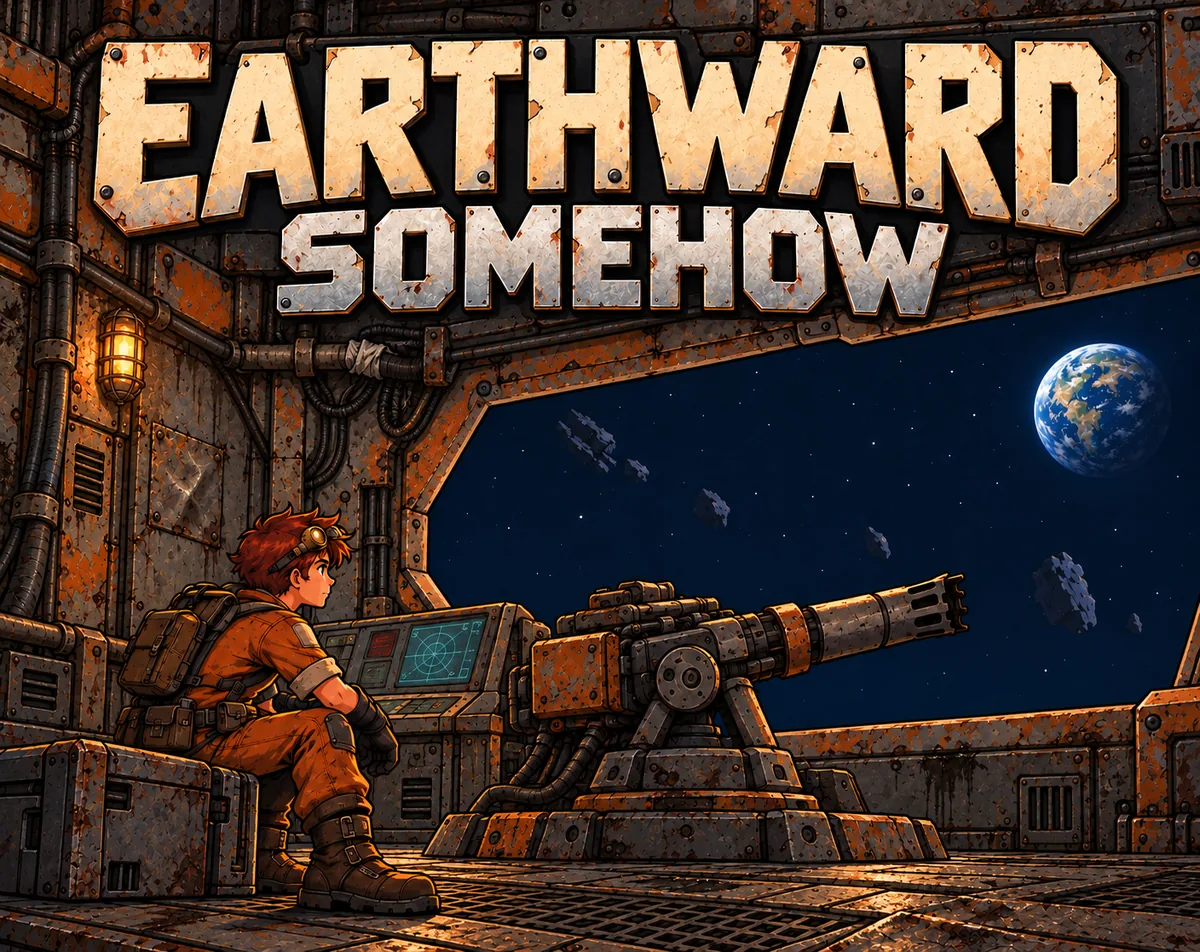
Earthward, Somehow is a free browser incremental about blasting asteroids, processing the debris and repairing a broken ship one system at a time.
#38 this weekAI-assisted: Code, Graphics, Sound, Text
The game runs in this tab. No install, no account.
The short answer
A free browser incremental about a crippled ship and the long trip home. Break asteroids and wreckage with the cannon, run debris through crushing, smelting, alloying and assembly, then spend the output on repairs and upgrades. Three sectors, a talent tree and a story told through transmissions are playable now.
What is Earthward, Somehow?
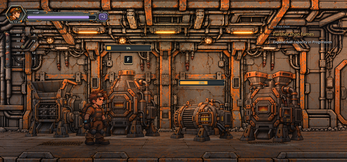
Earthward, Somehow is a 2D space incremental built around one problem: the ship is badly damaged and home is a very long way off. Play opens aboard that vessel, with worn corridors to walk, a cannon to operate and a hold waiting to be filled. Asteroids and drifting wreckage break apart under fire and become raw material, but the debris is only the start of the work.
The loop is production, not collection. Crushing, smelting, alloying and assembly turn salvage into the components that repairs demand, and each finished repair reopens part of the ship. Seven machines and devices need bringing back before essential systems such as propulsion, armor and communications return. Between jobs, incoming transmissions assemble fragments of a war the crew has been absent from, and the question of what waits at home keeps pulling the journey forward.
It runs in a browser, the current alpha is free, and it is openly unfinished: a three-sector slice of a larger trip that keeps going after the present story endpoint.
How to play
Start at the cannon. Asteroids and drifting wreckage break apart when hit, and the pieces become resources; improving the cannon speeds up that harvesting and feeds everything downstream. Aiming and firing is the only way to bring new material aboard, so the weapon doubles as the opening of the economy.
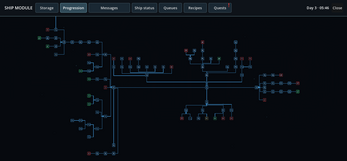
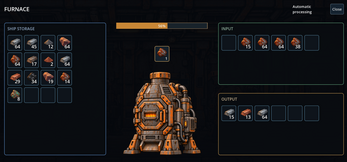
Raw salvage is not the objective, though. Material moves through a chain of crushing, smelting, alloying and assembly, and the finished components are what the ship actually needs. More than fifteen materials and components pass through that chain, so there is usually a bottleneck to find and clear before the next repair can happen.
Repairs come in two layers. Seven machines and devices must be restored, and doing so brings back essential systems including propulsion, armor and communications. On top of that sit more than fifty ship upgrades, spanning stronger weapons, better recovery of resources, faster machines and larger storage stacks.
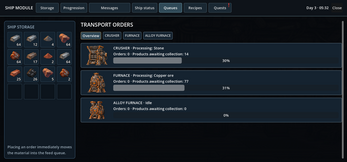
Character growth runs alongside the ship. Experience and levels accumulate, and points go into a separate talent tree. Once production feels like a treadmill, transport queues can be unlocked to handle the feeding and collection of materials automatically. Three sectors hold the current journey, each one reached by following the transmissions.
Controls
The action set is compact. The player moves through the ship's worn corridors, takes the cannon in hand, aims it at a target and fires. That is the physical side of the game; everything else is done through the management layer, where repairs are chosen, production is ordered and upgrades are bought.
Because the ship is also a factory, a lot of the moment-to-moment play is queue work: deciding which machine gets fed, which component is worth assembling next and where the limited output should go. Unlocking transport queues shifts some of that attention away from manual feeding and collection and back toward the cannon and the next repair.
The developer is specifically asking for feedback on controls and clarity in this alpha, alongside pacing and performance. Anyone who finds an action awkward or a screen hard to read has a direct route to influence how those parts are tuned before the final release.
The game page does not list its controls. Check the in-game tutorial or pause menu for the current scheme.
Tips for your first run
Early progress is gated by material flow rather than by combat, so treat the cannon as infrastructure. Time spent breaking asteroids and drifting wreckage is time spent widening every later step of the chain. The same logic applies to the repair list: the seven machines and devices are not decoration, and each restored system makes the next stretch of the journey more manageable.
Expect the alpha to ask for patience while the first production lines are built by hand. The transport queues that remove some of that manual feeding and collection are an unlock, not a starting gift, so the awkward phase is temporary.
- Keep the cannon upgraded, since stronger weapons and better resource recovery both speed up the harvest.
- Feed the whole chain rather than hoarding raw salvage; crushing, smelting, alloying and assembly are what turn debris into repairs.
- Push through the seven machine and device repairs to bring propulsion, armor and communications back online.
- Spend talent points as levels arrive instead of banking them for a perfect build.
- Unlock transport queues early enough that feeding and collection stop eating all the attention.
- After the story endpoint, keep gathering and improving; the current build explicitly allows it.
Content and replayability
The playable alpha covers the first three sectors of the journey. Reaching the current story endpoint does not end the run: resource gathering and ship improvement continue, which gives the production chain room to breathe after the narrative stops pushing forward.
Numbers matter here. More than fifty ship upgrades sit above seven restorable machines and devices, and more than fifteen materials and components move through crushing, smelting, alloying and assembly. A separate talent tree adds a second progression track tied to experience and levels, while transport queues add automation for players who would rather tune a system than nurse it.
Replay value in an incremental usually comes from restarting efficiently, and the described systems support that: knowing which repairs unlock which systems, and which upgrades compound fastest, changes how a second attempt on the three sectors plays out.
Two caveats belong in any honest account. This is an early playable alpha, so features, balance, visuals and story content may still change, and future updates may not always be compatible with existing saves. Progress is also tied to the browser and profile where it was made, and clearing site data can erase it.
Presentation and performance
The look is 2D and industrial: a damaged ship, corridors that have seen use, and a cannon pointed at rocks and wreckage. Transmissions carry the storytelling, delivering fragments of a war the crew has missed rather than front-loading exposition. That structure suits the genre, since narrative arrives in pieces while the player is busy with production.
It is a singleplayer browser game, so sessions can be short and the game is never waiting on other people. Performance is one of the four areas the developer wants feedback on, together with pacing, controls and clarity, which is a fair signal that rough edges exist and are being tracked.
The project is a solo effort. AI tools were used during development for artwork and coding assistance, with design direction and responsibility for the result kept by the developer. The game is available in English and Polish.
Who should play it
This suits players who enjoy watching a factory grow out of scrap. If the appeal of crushing, smelting, alloying and assembly, then reinvesting the output into faster machines and bigger storage stacks, sounds like a good evening, the loop is aimed squarely at that taste. The weapon layer gives it a physical anchor, and the talent tree gives it a second track to optimise.
It also suits science fiction readers who like their story delivered in fragments. The transmissions and the unanswered question of what waits at home supply the pull that pure production games often lack.
It does not suit anyone who wants a finished, balanced product. The alpha label is accurate: content may change, saves can break between updates, and the journey stops at a story endpoint after three sectors. Players who enjoy shaping an unfinished game, and who will say plainly what felt confusing or slow, are the intended audience.
Screenshots
How we tested it
The build was loaded from games.debutplay.com in a headless Chromium session on ; the canvas started and no request was blocked. The guide was last checked on .
From the developer
A damaged ship. A long way home. One repair at a time. Earthward Somehow is a space incremental game about restoring your ship and finding a way back to Earth. Walk through its worn corridors, take control of the cannon, and break apart asteroids and drifting wreckage. Collect materials, process them into useful components, and decide what to improve next. Every repair brings new possibilities. Every upgrade makes the next step a little easier. Meanwhile, incoming transmissions reveal fragments of a war you’ve been away from - and leave you wondering what will be waiting at home. Build your way home Aim and fire: break apart asteroids and drifting wreckage, collect resources, and upgrade your cannon. Bring your ship back to life: repair 7 machines and devices, then restore essential systems such as propulsion, armor, and communications. Build a production chain: collect and process 15+ materials and components through crushing,…
Frequently asked questions
Is Earthward, Somehow free to play?
Yes. The current alpha is free, and it covers the first three sectors of the journey.
What do you play it on?
It runs in a browser as a singleplayer HTML5 game, so play happens in the browser window rather than through a separate client.
How much of the game is available right now?
Three sectors. Reaching the current story endpoint does not stop the run, because gathering and ship improvement continue afterward.
Does it save progress?
Progress is stored in the browser. Returning with the same browser and profile continues the journey, and clearing site data may erase the save.
Is the game finished?
No. It is an early playable alpha still in development, and features, balance, visuals and story may change as work continues. Future updates may not always work with existing saves.
Which languages are supported?
English and Polish are both available in the current build.
What games are similar to Earthward, Somehow?
The closest matches on DebutPlay are Deuce Agency (Demo), Pax Libera, Mit englischer Zunge – English on the Tongue. They share the same genre, so the controls and the pace carry over.
Something wrong or missing? Tell us. How we test games.