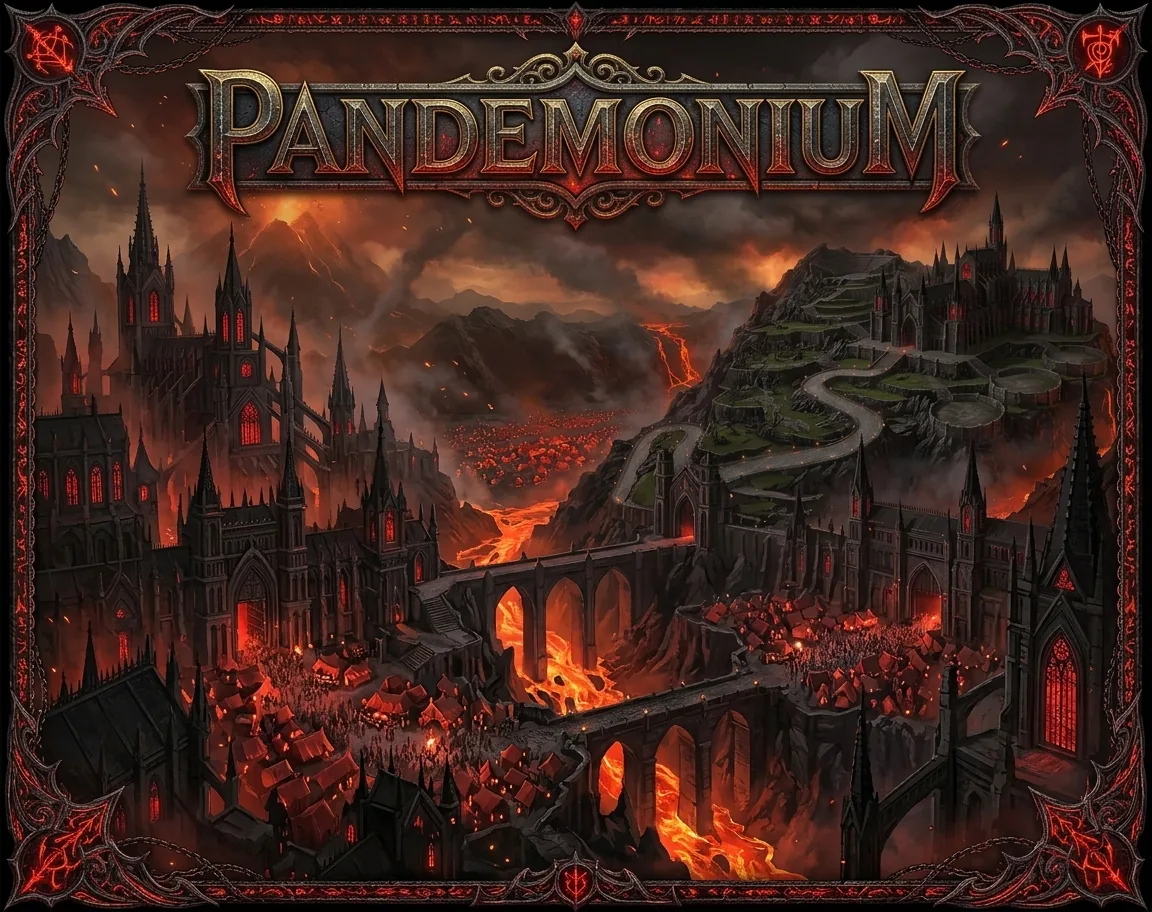
RPG · New game
Pan Demonium: A Good Place to Die
A free browser role-playing game about waking in an open grave, crossing the infernal city of Pandemonium, and recovering a name that Hell treats as property.
#26 this weekAI-assisted: Code, Graphics, Text
The game runs in this tab. No install, no account.
The short answer
Pan Demonium: A Good Place to Die is a free browser role-playing game set in an infernal city where names are bought and sold. You wake in the Grave Ward with no memory, a signature-shaped scar, and a blank headstone. Choose a human, skeleton, ghoul, horned devil, or balrog-kin, then explore, talk, and fight in real time. Play now for the name-recovery mystery and the choice of dead kind.
What is Pan Demonium: A Good Place to Die?
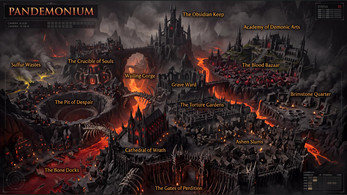
Pan Demonium: A Good Place to Die is a free HTML5 role-playing game set in Pandemonium, a city where names are property. You begin in the Grave Ward inside an open grave that has stood open for twenty winters, with lanterns lit and a cut headstone waiting. Memory is missing, a scar shaped like a signature marks you, and the stone carries no name. The mystery is not simply who left the grave open; it is who paid for the stone and why nobody will explain. Recovering your name means crossing the city, where cruelty is administrative and people cite clauses rather than scream about evil. The tone turns on how reasonable the horror sounds and how often you may find yourself reasonable back. Five kinds of dead are playable: human, skeleton, ghoul, horned devil, and balrog-kin. Your kind changes how other dead address you and what leverage you carry. The named districts include the Grave Ward, the Blood Bazaar, and the Academy of Demonic Arts.
Combat is real time, with skills and potions, and the game tracks bestiary entries, journal notes, codex material, and lore. The build is in development, and some districts are not open yet.
How to play
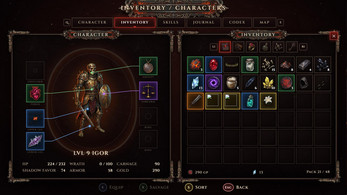
The immediate goal is to get your name back by crossing Pandemonium. Start by talking: gravediggers, masons, ghoul peddlers, scribes with sewn-shut eyes, and professors who want to enrol you all know a fragment. Nobody is good, and several are kind, which the game treats as more unsettling than open hostility. Your dead kind matters in conversation because it shapes how the dead address you and what leverage you carry. Do not expect a sword-and-armour build. Your equipment is an amulet, rings, and five tattoos, each framed as a promise somebody signed. Combat is real time; skills, potions, and bestiary knowledge are the practical tools for creatures that crawl out of the lava. The journal tracks the amnesia mystery, while the codex and lore entries support reading into the Academy's forbidden library. Exploration is district by district. The Grave Ward, Blood Bazaar, and Academy of Demonic Arts are named, and the early build will tell you when a district is not open yet. Progress is saved in the browser, so the play loop depends on keeping site data intact.
Controls
Controls are mouse-led. Left click handles walking, talking, picking things up, and attacking. Hold Ctrl while clicking to run, and hold Shift while clicking to swing your weapon. Dragging with the right or middle mouse button pans the camera, the mouse wheel zooms, and Space recentres the camera on your character. The number keys 1 through 5 cast skills, while Q uses a quick potion. The interface screens cover inventory, character, skills, journal, codex, and map; their letter shortcuts appear in the control list. T toggles the torch, H hides the HUD, and Esc pauses. The camera can be panned, zoomed, and recentred while walking, so the painted districts can be inspected without changing screens. A desktop browser with a mouse and a reasonably recent GPU is recommended, and the first load downloads a few hundred megabytes of painted backdrops.
| Input | Action |
|---|---|
| Left click | Walk, talk, pick up, and attack |
| Ctrl + click | Run |
| Shift + click | Swing your weapon |
| Right or middle drag | Pan the camera |
| Mouse wheel | Zoom |
| Space | Recentre the camera on yourself |
| 1-5 | Cast skills |
| Q | Use a quick potion |
| I/C/K/J/L/M | Open inventory, character, skills, journal, codex, and map |
| T | Toggle torch |
| H | Hide the HUD |
| Esc | Pause |
Tips for your first run
Treat the first session as a social read. Your choice among human, skeleton, ghoul, horned devil, and balrog-kin changes how the dead address you and what leverage you carry, so pick the kind whose social position you want to test. Talk to every named type you meet: gravediggers, masons, ghoul peddlers, scribes with sewn-shut eyes, and Academy professors each hold a little of the answer. Use the journal for the amnesia mystery and the codex for lore, rather than trying to hold every clause in your head. In combat, lean on skills, potions, and bestiary entries; your gear is an amulet, rings, and five tattoos, not a sword or armour. Keep an eye on district messages, because the work-in-progress build closes some areas and says so.
- Do not clear browser site data if you want to keep progress; the game saves there.
- Use a desktop browser with a mouse and a reasonably recent GPU; the first load pulls a few hundred megabytes of painted backdrops.
- Open the map with M and the journal with J when a conversation adds a new lead.
- Try skills on the 1-5 keys and keep Q ready for a quick potion during real-time fights.
- Read the bestiary entries for creatures that crawl out of the lava before treating every fight as a straight damage race.
Content and replayability
The content is built around a city of talkers and a mystery about who wrote your amnesia. The Grave Ward, Blood Bazaar, and Academy of Demonic Arts supply the named districts, with the Academy adding a forbidden library to read into. Five playable dead kinds change social address and leverage, so a second character can approach the same conversations from a different position. The cast includes gravediggers, masons, ghoul peddlers, scribes who have sewn their own eyes shut, and professors eager to enrol you. Combat content includes real-time skills, potions, and bestiary entries for creatures that crawl out of the lava. The journal, codex, and lore entries are the tracking layer for the name mystery and the city's administrative horror. Replay value is tied to social variation: different dead kinds hear different forms of address and carry different leverage. The build is early and in development, and several districts are not open yet; the game says so when you reach them.
Presentation and performance
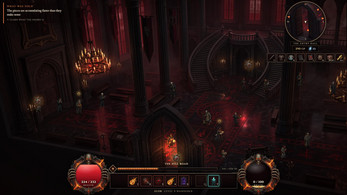
The look is painted and hand-lit. Prerendered infernal districts use real-time lighting and depth, covering places such as the Grave Ward, the Blood Bazaar, and the Academy of Demonic Arts. That combination gives the city a staged, illustrated feel while keeping light and camera movement live. The game runs in an HTML5 browser frame. A desktop browser with a mouse and a reasonably recent GPU is recommended. The first load downloads a few hundred megabytes of painted backdrops, so a slow start is a download rather than a stall. Progress is saved in browser storage, which makes site data part of the save file; clearing it will remove the run. The build is in development, and the game announces closed districts rather than pretending they are open. Visual scope is tied to the named districts and the painted backdrop load.
Who should play it
This is for players who want a role-playing game of conversation, clause-reading, and infernal city politics rather than a power fantasy about steel. The premise rewards curiosity: an open grave, a signature-shaped scar, a blank headstone, and a name treated as property. Players who like choosing among human, skeleton, ghoul, horned devil, and balrog-kin will find that the choice changes how the dead address them and what leverage they carry. The equipment model suits players who prefer amulets, rings, and five tattoo promises to swords and armour. The early build is best approached by someone comfortable with a work in progress that closes some districts and says so. A desktop browser with a mouse and a reasonably recent GPU is the recommended setup. The pacing is driven by talkers, journal tracking, codex reading, and real-time combat with skills and potions. Anyone seeking finished content should wait; anyone drawn to administrative horror and a name-recovery mystery has a clear reason to click Play.
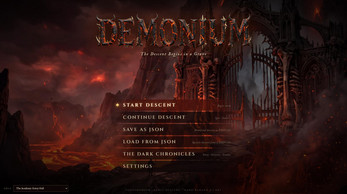
Screenshots
How we tested it
The build was loaded from games.debutplay.com in a headless Chromium session on ; the canvas started and no request was blocked. The guide was last checked on .
From the developer
DEMONIUM What is a name worth? You wake in an open grave in the Grave Ward of Pandemonium, with no memory, a scar shaped like a signature, and a blank headstone. Someone left your grave open for twenty winters, lanterns lit. Someone paid to have your stone cut. Nobody will tell you why. Names are property in Hell. They are bought, sold, leased and foreclosed on, and people bid for them in blood. To get yours back you will have to cross the city, and every cruelty on the way is administrative. Nobody screams about evil; they cite the clause. The horror is how reasonable it all sounds, and how often you will find yourself reasonable back. Features Painted, hand-lit worlds. Prerendered infernal districts with real-time lighting and depth: the Grave Ward, the Blood Bazaar, and the Academy of Demonic Arts. Five kinds of dead. Play as a skeleton, ghoul, human, horned devil or balrog-kin. Your kind changes how the dead address you and what…
Frequently asked questions
Is Pan Demonium: A Good Place to Die free?
Yes. The game is free. It runs as an HTML5 browser game and is currently an early, work-in-progress build.
What platforms does it support?
It runs in an HTML5 browser. A desktop browser with a mouse and a reasonably recent GPU is recommended.
Does the game require a download?
The game runs in the browser, but the first load downloads a few hundred megabytes of painted backdrops. Expect the first start to include that download.
Is progress saved?
Progress is saved in your browser. Do not clear site data if you want to keep the run.
What can players choose as their dead kind?
You can play as a human, skeleton, ghoul, horned devil, or balrog-kin. Your kind changes how the dead address you and what leverage you carry.
Is the game finished?
No. It is an early, work-in-progress build. Several districts are not open yet, and the game will say so when you reach them.
What games are similar to Pan Demonium: A Good Place to Die?
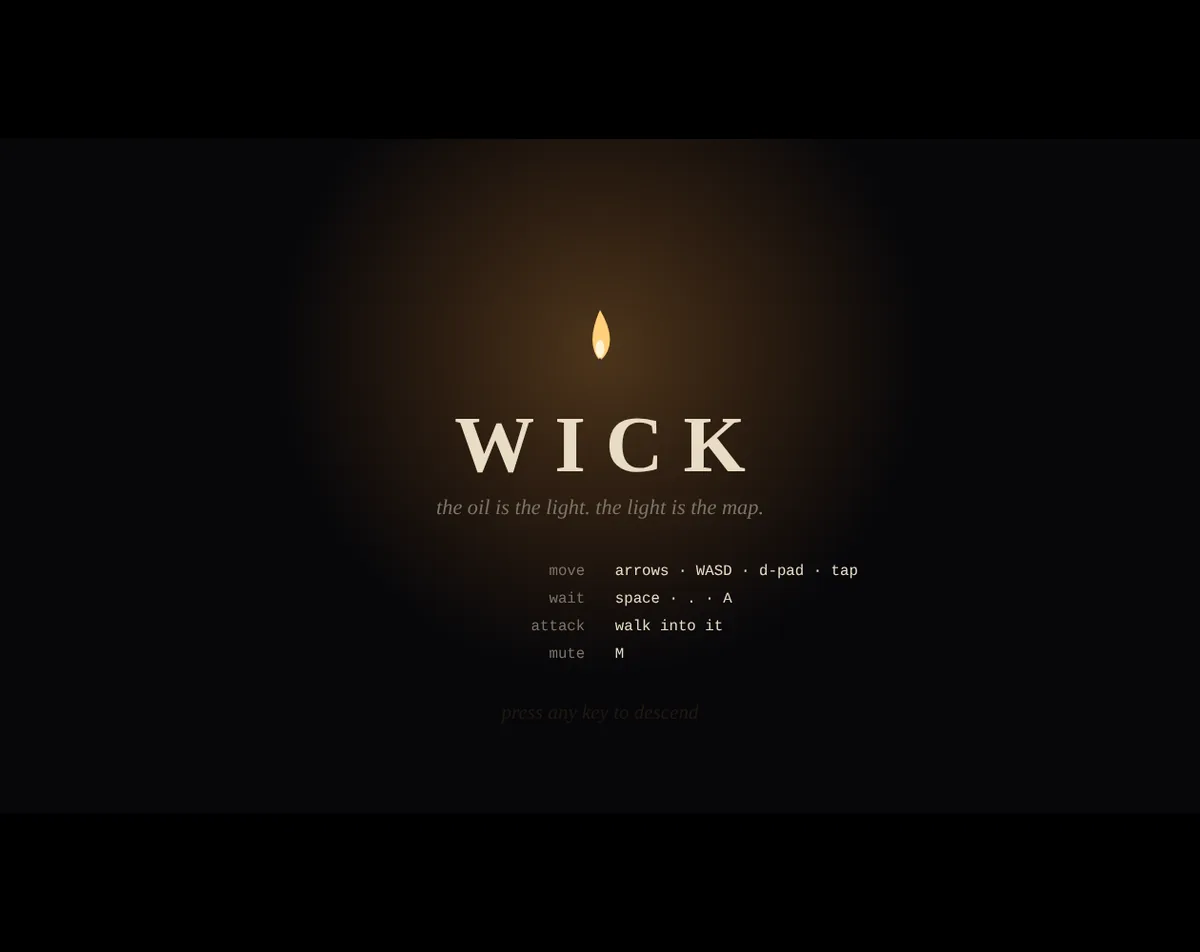
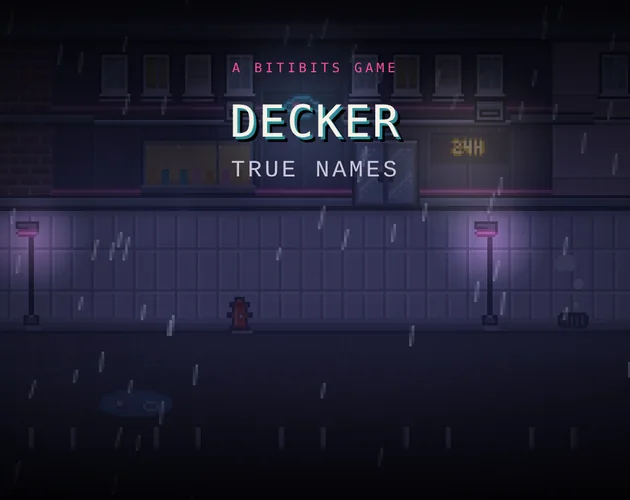
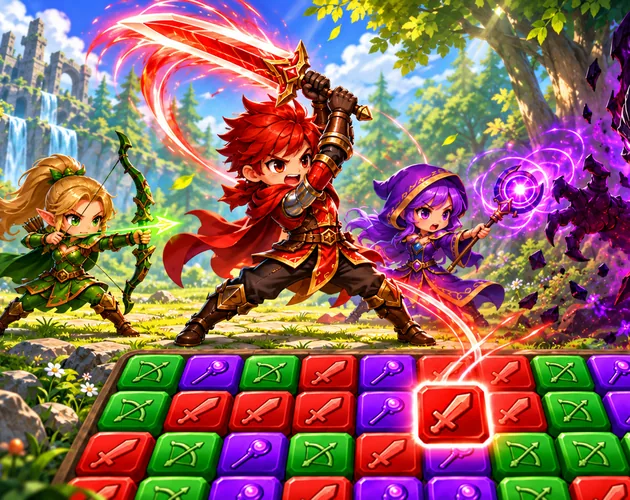
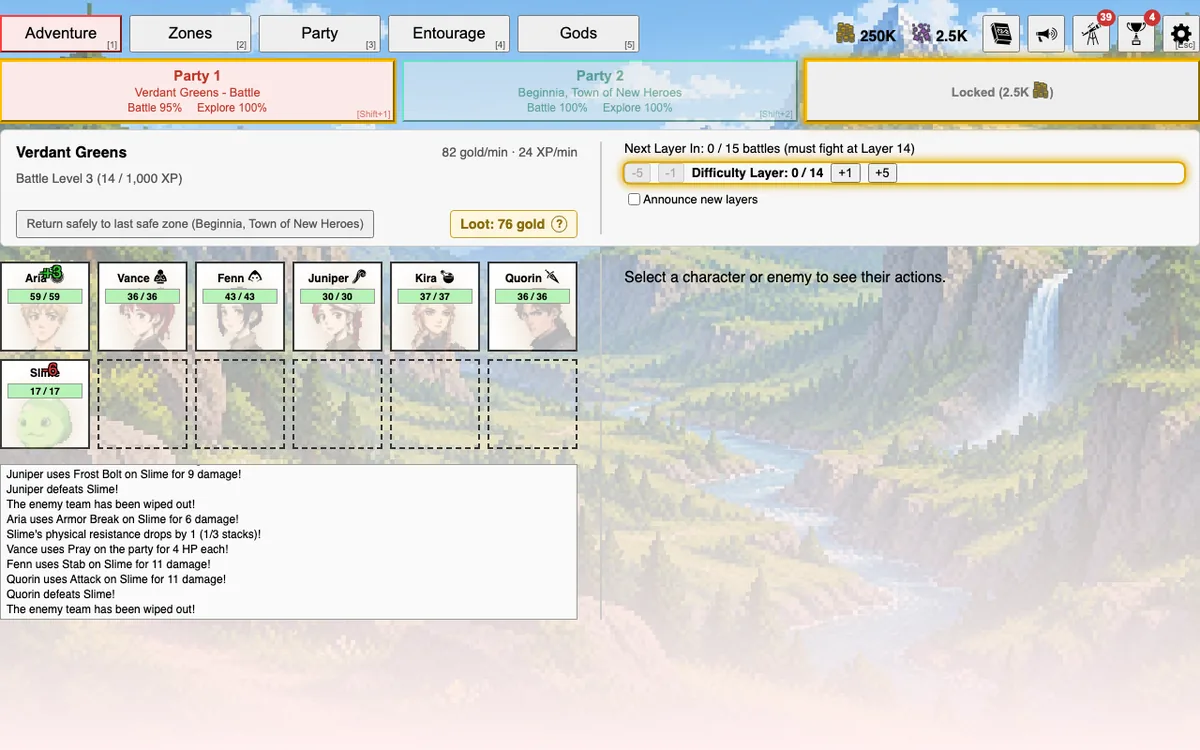
The closest matches on DebutPlay are Wick, Decker: True Names, Strikeline: Quest. They share the same genre, so the controls and the pace carry over.
Something wrong or missing? Tell us. How we test games.