Adventure · New game
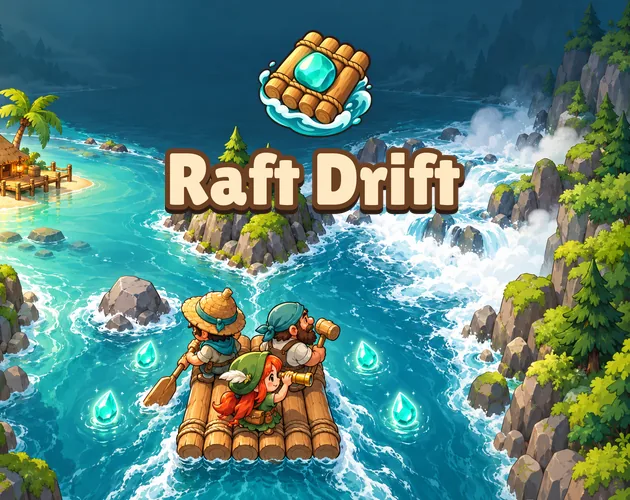
Raft Drift
A free browser puzzle built on close reading of old postcards: zoom into the picture, flip the card, gather clues and answer three questions per episode.
#15 this weekAI-assisted: Code, Graphics, Sound, Text
The game runs in this tab. No install, no account.
The short answer
Raft Drift is a free, ad-free browser mystery built around one illustrated postcard per episode. Zoom, pan, flip the card and tap anything that looks wrong; every detail collected becomes a clue card, and three questions close the case. Two episodes run six to twelve minutes each, with three hint levels and no game over.
What is Raft Drift?
Raft Drift is a short browser mystery that hangs on a single object: an old postcard with something wrong in the picture. The illustration is the whole crime scene, the puzzle is small and specific, and the case is cracked by looking rather than by guessing. Each episode poses three questions, each with a set of options to choose from before submitting.
Two episodes ship in this first release. One sits in a harbour beneath a dark lighthouse, the other in a night market strung with lanterns after dark. A run through either takes roughly six to twelve minutes, so the pair fits comfortably into a coffee break. The art is warm watercolour and the tone stays calm; nothing leaps out, and no wrong guess ends the run.
It plays in the browser on desktop and mobile, costs nothing, and carries no advertising. Progress is kept in the browser between visits, and the interface is offered in ten languages. Up to three stars are awarded per case, so a solved postcard is not automatically a finished one.
How to play
Every case starts with the postcard. Zoom in on the illustration, drag across it to reach the edges, then tap whatever seems off: a boat with a name painted along its side, a clock that has stopped, a line of ink smeared where it should run clean. Each detail you pick up is filed as a clue card in the notebook, which becomes the running record of the investigation.
Some details only register when the view is pushed all the way in, so a slow sweep at maximum zoom belongs in the routine. Flipping the card matters too: the reverse carries handwriting and a postmark, both worth reading before committing to an answer.
When the picture has given up what it can, the three questions appear. Choose one option for each and submit. The result does not name the wrong answers; it reports how many were right, which turns a near-miss into a reason to look again rather than a shrug. Another attempt is always available.
Hints come in three strengths and are free to use, though a short cooldown sits between them. Nothing ends the run early, but the star score reacts to hints taken and answers submitted in error.
Controls
On desktop the mouse does most of the work: clicking selects a detail, dragging moves the view, and the scroll wheel or the plus and minus keys change zoom. Keyboard players can pan with the arrow keys or WASD, flip the card with F, open the notebook with N and call a hint with H. The number keys one, two and three jump straight to a question, Enter submits the answers, and Esc pauses the game or closes an open panel.
On a phone or tablet the same actions map to touch. Tap a detail to collect it, drag with one finger to pan, and pinch or double-tap to zoom. Flip, notebook and hint each get an on-screen button, so nothing depends on a keyboard being present.
The layout is built for portrait screens. On desktop, the fullscreen button gives the postcard the most room, which matters when hunting for details that appear only at the deepest zoom.
The game page does not list its controls. Check the in-game tutorial or pause menu for the current scheme.
Tips for your first run
Nothing is timed and nothing can be lost, so the opening case rewards patience more than speed. The submission screen reveals only how many answers were correct, which makes a thorough sweep of the picture the fastest route forward.
- Zoom all the way in before deciding a corner is empty; certain clues only appear at the closest setting.
- Flip the postcard early. The handwriting and the postmark on the reverse are readable clues, not decoration.
- Start with the obviously odd details: a painted boat name, a stopped clock, smudged ink.
- Treat any clue that explains the whole case a little too neatly with suspicion; convincing red herrings are part of the design.
- Open the notebook with N before submitting and read the clue cards as a group rather than one at a time.
- Hold hints back for a second or third pass, since the star score counts both hints and wrong guesses.
Content and replayability
The package is two illustrated episodes. The Vellmar Light sets its postcard in a harbour beneath a dark lighthouse; Orsolo Night Market moves to a lantern-lit bazaar after dark. Either can be finished in about six to twelve minutes, and the pair is short enough that most players will see both in one sitting.
Because the answers are fixed to the picture, replay value comes from the scoring rather than from branching content. Three stars are on offer per episode, and the tally responds to hints used and guesses submitted in error. A solve that cost two hints and a bad answer can be chased down to a clean one, and the notebook makes it easy to spot which clues slipped past the first time.
Progress saves in the browser, so an unfinished case can wait indefinitely. Ten languages are supported in the interface, and the whole thing runs without advertising.
Presentation and performance
The look is warm watercolour, chosen to keep a mystery premise gentle rather than tense. There is no horror framing and nothing jumps out at the player; the mood sits closer to leafing through an old album than to a thriller.
Sound is modest and self-contained. Two original pieces, postcard-menu and postcard-play, were composed in code, and the effects were synthesized the same way. In-game text uses the device's own system fonts, while the logo is set in Lilita One by Juan Montoreano under the SIL Open Font License 1.1. The game runs on the Phaser engine under the MIT licence.
Compatibility targets recent versions of Chrome, Edge, Firefox and Safari on desktop and mobile alike. The interface is designed for portrait screens, so a phone held upright is the natural fit, while desktop players can switch to fullscreen for a larger postcard. Play happens in the browser and progress is stored there between visits.
Who should play it
This suits people who enjoy studying a picture closely and being proved right about it. The case rests entirely on observation, whether that means a painted name, a stopped clock or a smeared line, and every answer can be reached from the illustration alone, so no outside knowledge or research is needed. Deduction fans who dislike trivia will feel at home.
Short sessions suit it well. Six to twelve minutes per episode means a case opens and closes in one sitting, and because nothing ends in failure, a wrong submission costs stars rather than progress. Anyone tired of timers, jump scares or punishment for experimenting will find none of those here.
It is less suited to players chasing action, reflex tests or a long campaign; the content is two illustrated postcards and the pace is deliberate. The free price and browser delivery make it an easy thing to try between larger games.
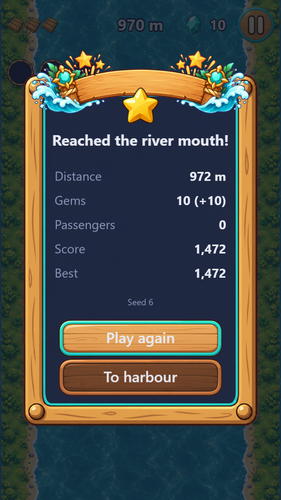
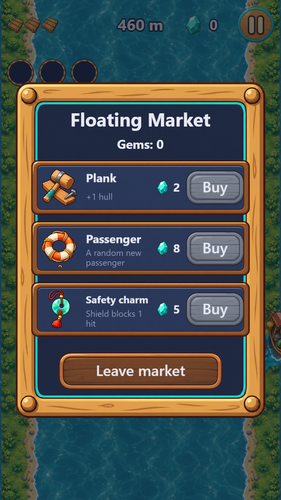
Screenshots
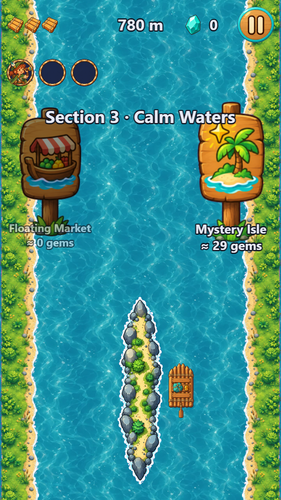
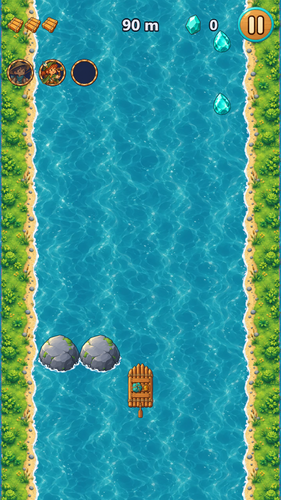
How we tested it
The build was loaded from games.debutplay.com in a headless Chromium session on ; the canvas started and no request was blocked. The guide was last checked on .
From the developer
An old postcard holds a small mystery. Look closely at the picture, flip it over, read the handwriting and the postmark, then answer three questions to solve the case. How to play Zoom in on the postcard and tap anything that looks odd: a name painted on a boat, a stopped clock, a smudged line of ink. Each detail you find becomes a clue card in your notebook. When you think you know the answer, pick one option for each of the three questions and submit. If something is wrong, you only learn how many answers are right, so look again and try once more. Features 2 illustrated episodes, each playable in about 6–12 minutes: a harbour with a dark lighthouse and a lantern-lit night marketZoom, pan and flip the postcard to find hidden details; some clues can only be picked up when you zoom in all the wayEvery answer can be worked out from the picture alone, with no outside knowledge neededRed herrings that look just as convincing as the real…
Frequently asked questions
Does Raft Drift cost anything?
No. The game is free to play in the browser and carries no advertising.
How long is each episode?
The two illustrated cases, The Vellmar Light and Orsolo Night Market, run about six to twelve minutes each.
What happens if the answers are wrong?
Nothing ends. The game reports only how many answers were right, so the case can be reviewed and submitted again, with stars affected by the miss.
Are hints limited?
Three levels of hints are available and all of them are free, with a short cooldown between uses.
Can it be played on a phone?
Yes. Recent Chrome, Edge, Firefox and Safari are supported on mobile, with tap, drag, pinch and double-tap gestures plus on-screen buttons. The layout is designed for portrait screens.
Is any outside knowledge needed to solve a case?
No. Every answer can be worked out from the postcard picture itself, including details visible only at full zoom.
What games are similar to Raft Drift?
The closest matches on DebutPlay are ARCANUM: Path of the Magus, The Oasis, TORCH, TORCH!. They share the same genre, so the controls and the pace carry over.
Something wrong or missing? Tell us. How we test games.