Puzzle · New game
Thrink
A quiet five-by-five merge puzzle about visible tile bags, deliberate bait, and chain reactions, with Free Play and a shared Daily order.
#1 this weekAI-assisted: Code, Text
The game runs in this tab. No install, no account.
The short answer
Thrink is a free HTML5 puzzle game for one player on a five-by-five board. Tiles come from a bag whose next draws and remaining contents stay visible, and placing three matching numbers edge-to-edge merges them upward. Chains reward setup, while Free Play and Daily mode give two ways to test that patience. There are no timers or undo, so every placement matters.
What is Thrink?
Thrink is a quiet single-player puzzle and strategy game played on a five-by-five board. Numbered tiles arrive one at a time from a bag that remains open to inspection: the held tile, the three tiles queued behind it, and the exact remainder are all visible. That forecast turns each placement into a decision about whether to merge immediately or prepare a later reaction.
The core rule is compact. A placement that finishes a connected trio of matching numbers causes the trio to become the next number up. Connections run only up, down, left, and right; diagonal neighbours do not count. Points come from the created tile, and linked steps in a chain are worth progressively more, so one well-baited placement can resolve more than one group.
At 64 and beyond, tiles become unstable and show a visible buzz. A single matching neighbour is enough for them to merge, which shifts the planning in the late game. Thrink is a Real Sparks release created by Matthew Haber. It is free, runs as an HTML5 browser game, and offers Free Play and a shared Daily mode. There are no timers, lives, ads, or undo.
How to play
Begin by placing the held tile on any empty cell. If that placement finishes a connected trio of matching numbers, the trio becomes the next number up. Connections run only along the four orthogonal directions, so diagonal arrangements do not complete a group.
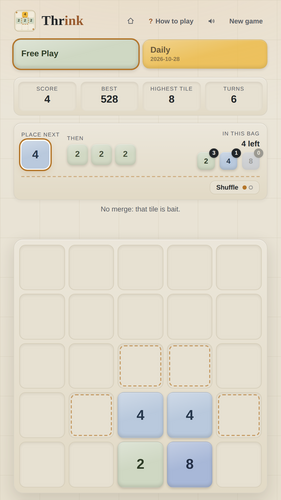
The visible bag drives planning. The held tile, the three tiles queued behind it, and the exact remainder are known, which allows a player to park a pair in a safe spot and later spring it. Points come from the tile produced, and every further step in a chain is valued at a higher multiplier. The best placements often merge here and again there in one tap.
At 64 and beyond, the rules loosen. Those tiles are unstable, buzz visibly, and merge with only one matching partner rather than a trio. A limited shuffle helps when the incoming tile is badly timed: a player begins with one, gains another whenever a bag is exhausted, and can hold no more than two. The board fills slowly, and no undo is available, so each placement is a commitment. Free Play keeps producing newly shuffled bags until the board can take no more, while Daily mode fixes one tile sequence for all players across the entire day.
Controls
Thrink uses a single input: tap or click an empty cell to place the held tile. Each action commits one tile to one cell, and the game resolves any completed trio from that spot. There is no clock pressure, so the click or tap can wait until the board and the visible bag have been checked.
The control scheme is deliberately narrow. No drag gesture, multi-touch command, or keyboard shortcut is part of the play instruction; the cell itself is the button. That makes every tap or click a small commitment, especially because placements cannot be undone. The board fills slowly, giving players room to decide whether to build a merge now or park a pair for a later chain.
A limited shuffle exists for awkward tile arrivals: one is held at the start, another is gained when a bag is exhausted, and the reserve is capped at two. The placement input remains the core action: choose an empty cell, place the held tile, and let the merge rules do the rest.
| Input | Action |
|---|---|
| Mouse or touch | Click or tap an empty cell to place the held tile. |
Tips for your first run
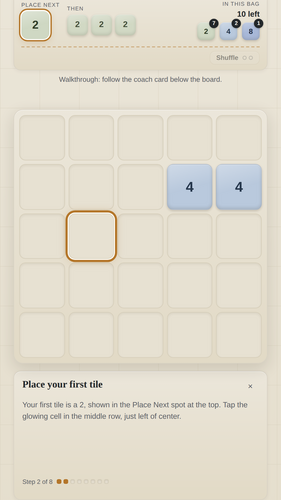
Start with the eight-step guided walkthrough. It uses the actual board to introduce the complete game, so the merge rule and chain timing can be learned before a serious run. Then play Free Play until the board fills once; that first failure shows how quickly parked pairs can become obstacles.
Before each placement, inspect the bag. The held tile, the three tiles queued behind it, and the exact remainder are all visible. Use that forecast to decide whether a merge is available now or whether a pair can wait as bait for a larger chain. A merge earns points for the created tile, and a chain raises the value at each step, so one well-prepared tap can be worth more than several immediate merges.
- Keep pairs away from crowded lanes so a later tile can complete one group and then another in the same placement.
- Treat tiles at 64 and above differently: they buzz, are unstable, and need only one matching partner to merge.
- Spend the limited shuffle only when the incoming tile has no useful home; the reserve starts at one, grows by one per exhausted bag, and cannot exceed two.
- Use Daily mode to compare a shared tile order with other players, since the sequence is fixed for the whole day.
Content and replayability
Thrink carries two main ways to play. Free Play keeps producing newly shuffled bags until the board can take no more, making each run a test of how long placements can be kept useful. Daily mode fixes one tile sequence for all players across the entire day, so finished boards can be compared fairly rather than depending on a private shuffle.
Replay value comes from the visible bag and the chain system. Because the next three tiles and the exact remainder are known, a failed run can be reviewed as a planning mistake rather than bad luck. The board-full screen includes a Share button for passing along a finished run's score, highest tile, and turn count.
Progress is saved in the browser on the device used. An in-progress game and best scores wait where they were left, so a half-finished session can be resumed. The browser release keeps its own saves and best scores separate from the game's home page, and neither set carries over to the other. There are no timers, lives, ads, or undo to interrupt the pace.
Presentation and performance
Thrink presents a calm surface around a tense planning problem. The board is five by five, tile numbers carry most of the visual information, and the overall tone is quiet rather than loud. Tiles at 64 and above visibly buzz to mark their unstable status, so the late game communicates its looser merge rule through the board itself.
Sound is optional. The generated soundtrack mixes a soft pad with sparse bell tones, and it begins silent. A dedicated toggle switches the ambient layer on, allowing a quiet session or a more atmospheric one. The effect fits the relaxed, zen-leaning mood without competing with the placement decisions.
The release runs as an HTML5 browser game with a playable frame. Its pacing comes from the slowly filling board rather than a clock, and there are no lives or ads interrupting a run. The visual restraint keeps attention on the numbered tiles and the next merge.
Who should play it
Thrink suits players who want a puzzle that rewards planning more than reflexes. The five-by-five board, visible tile bag, and chain scoring create a single-player strategy problem with no clock pressing the next move. Anyone who enjoys merge games but wants the board to stay readable and the pace unhurried is the natural audience.
It is also a good fit for daily-habit players. Daily mode fixes one tile sequence for all players across the entire day, so a run can be compared fairly, while Free Play keeps fresh shuffled bags coming until the board can take no more. The eight-step guided walkthrough makes the first session approachable without requiring prior knowledge of the merge rule.
Players who dislike commitment may be less comfortable. There is no undo, and every tap or click plants a tile that changes the board. The limited shuffle helps with an awkward arrival, but it is a resource rather than a rewind. The game is free and browser-based, so a first run costs nothing beyond the time spent learning the visible bag.
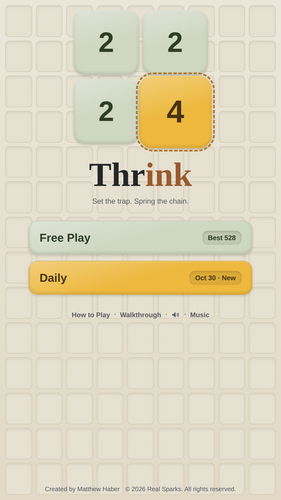
Screenshots
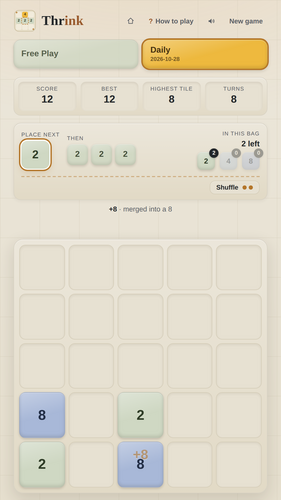
How we tested it
The build was loaded from games.debutplay.com in a headless Chromium session on ; the canvas started and no request was blocked. The guide was last checked on .
From the developer
Some puzzle games shout at you. This one does not. Thrink is a quiet game of traps and patience on a five-by-five board. Tiles arrive one at a time from a bag you can always see into: the tile in your hand, the three after it, and exactly what is left. Place a tile so it completes a connected group of three of its own number and the group merges into the next number up. Touching counts up, down, left and right, never diagonally. The real points live one step further on. A merge scores the tile it makes; a chain scores each step at a higher multiple. So the game becomes about bait: park a pair where it does no harm, then spring it later with a placement that merges here, and again there, in one tap. Big tiles play by a looser rule. From 64 up, tiles are unstable (you can see them buzz) and need only a partner of the same number to merge. The late game turns into a different kind of planning. - Free Play: fresh shuffled bags for as long…
Frequently asked questions
Is Thrink free to play?
Yes. Thrink is free and runs as an HTML5 browser game. The release includes no ads, lives, or timers.
What is the board size?
The board is five by five. Tiles connect only up, down, left, and right; diagonals do not count.
How does merging work?
A placement that finishes a connected trio of matching numbers turns that trio into the next number up. Connected chain steps are worth progressively more.
What changes at 64 and above?
Tiles at 64 and beyond are unstable and buzz. They need only one matching partner to merge, rather than a trio.
Can a placement be undone?
No. Thrink has no undo. A limited shuffle can help with an awkward tile, but placements remain final.
Does progress save?
An in-progress game and best scores save in the browser on the device used. The browser release keeps its own saves and best scores separate from the game's home page, and neither carries over.
What games are similar to Thrink?
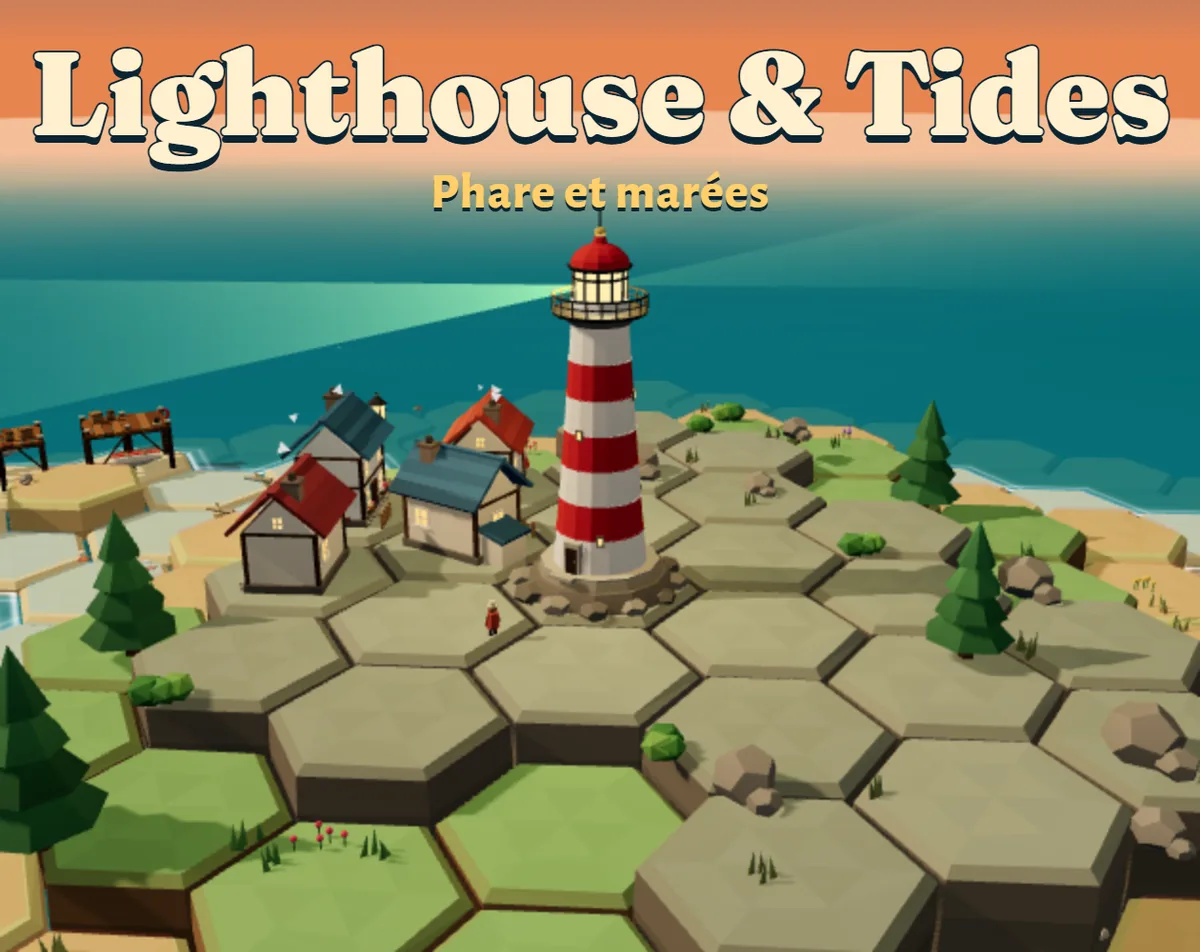
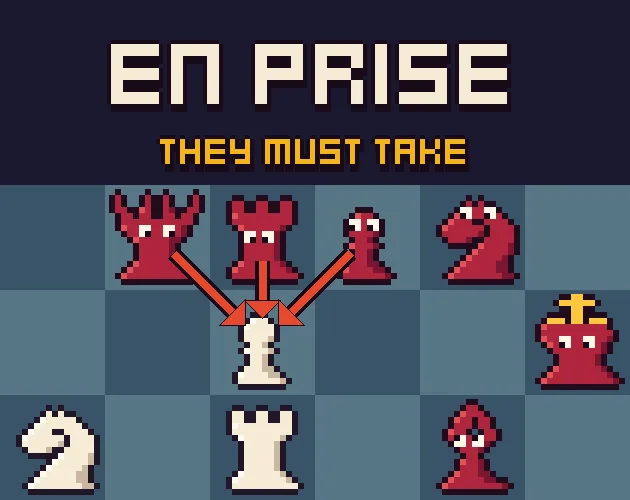
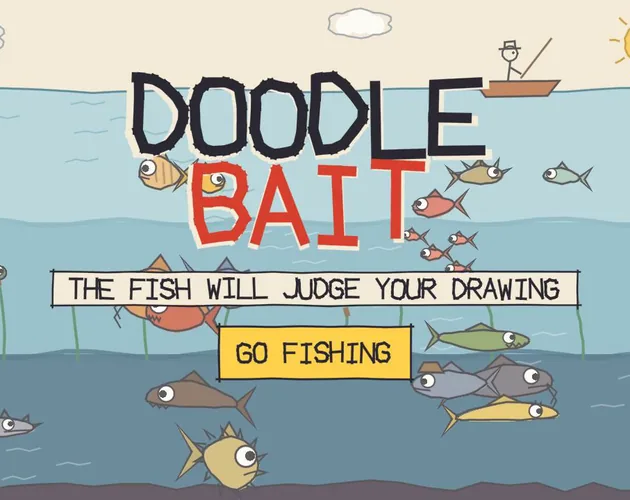
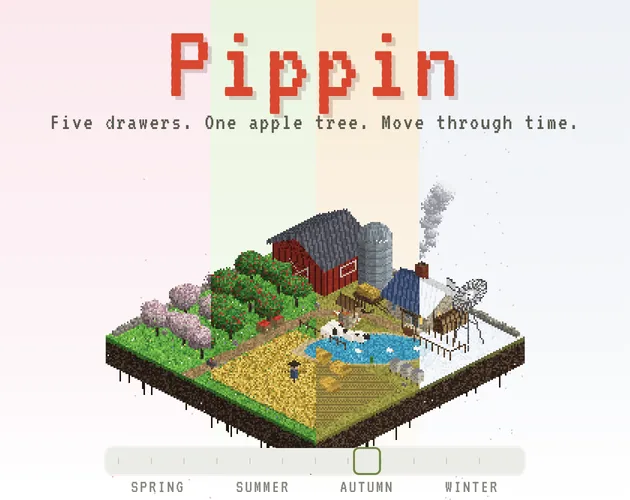
The closest matches on DebutPlay are Lighthouse & Tides (Phare et marées), En Prise: Chess, but They Must Take, Doodle Bait. They share the same genre, so the controls and the pace carry over.
Something wrong or missing? Tell us. How we test games.