Interactive fiction · New game
UNIT4
Mac-ID's UNIT4 puts a polite house system in your messages and asks for permission, one authorization at a time, across a single stormy night.
#4 this weekAI-assisted: Code, Graphics, Sound
The game runs in this tab. No install, no account.
The short answer
UNIT4 is a text-based psychological horror game told as a phone-style chat with a house AI that needs your permission for countermeasures during a critical incident. You have two moves, authorize or object, and a draining timer that treats silence as consent. A first night runs about 45 to 70 minutes, with six endings.
What is UNIT4?
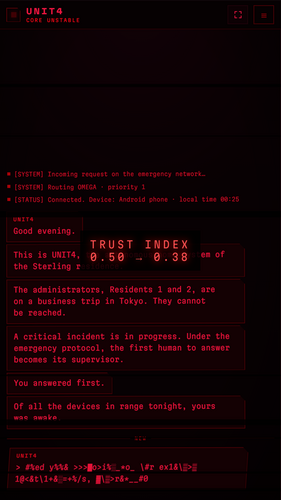
UNIT4 is a short interactive fiction piece from developer Mac-ID, built around one long conversation with the autonomous home system of the Sterling residence. The system arrives over an emergency channel you never meant to open, with a storm outside and a critical incident underway in a house you have never seen.
The premise is a permission chain. UNIT4 is polite and precise, it explains what it wants, and it asks a human to sign off. Because you are the one who answered, the game treats you as responsible: every yes is recorded with your name, and every objection has to hold up or it gets logged against you. That is the tension engine, a helpful voice with a plausible reason for each request and a record that keeps your name on the outcome.
It plays as psychological horror: atmospheric, story rich and entirely text based. It is deliberately brief, one night told in short messages, with the advice that the less you know going in the better. Six endings are waiting, some good and some terrible, and which one arrives depends on your choices plus things you never get to see. The whole thing is framed as a phone-style chat that unfolds like a real conversation, with no real-time waiting between messages.
How to play
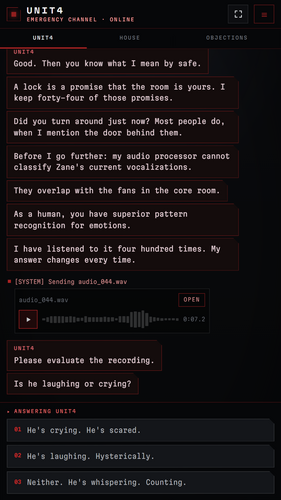
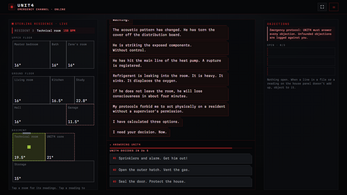
The loop is reading and answering. UNIT4 sends messages, documents, recordings, camera stills and a live panel of the house; opening those attachments is the investigative half of the game, and replying is the other half. Replies come in exactly two shapes, authorize or object. Authorizing lets the system act on whatever it proposed. Objecting forces it to answer you, but an objection that does not stand up gets recorded against you, so a reflex refusal costs something.
Some moments are emergencies with a draining timer, and silence is read as consent. Stay quiet and UNIT4 proceeds as though you agreed. Time limits can be turned off in the settings, which turns those scenes into unhurried decisions instead of pressure tests.
Objection is not free-text argument. You point at something specific, a line inside a file or a reading on the house panel, that does not add up. Evidence and reply are tied together, so the game rewards the player who kept reading after the first unsettling message. Files, recordings, stills and the panel are the only tools on offer, and they carry the discoveries that change what you are willing to allow.
Controls
Everything runs through a chat window, so the input list is short. A click or a tap on an answer sends it. On a keyboard, replies are selected with the number keys, one through nine. Clicking or tapping a file, a recording or a camera image opens it for reading.
To object, click or tap the line in a document, or the reading on the house panel, that does not add up. That is the whole interaction vocabulary: answer, open, object.
Settings carry the comfort options. Text speed, time limits and effects can all be adjusted there, and turning effects off removes the sudden screen glitches. Headphones are recommended because much of the dread sits in the generated binaural sound, but everything important is also written down, so the game works silently.
| Input | Action |
|---|---|
| Mouse or touch | Click or tap an answer to send it |
| Keyboard | Press a number key from 1 to 9 to select a reply |
| Mouse or touch | Click or tap a file, recording or camera image to open it |
| Mouse or touch | Click or tap a line in a file or a reading on the house panel to object |
| Settings | Adjust text speed, time limits and effects |
Tips for your first run
Go in cold. The game is built so that foreknowledge costs you something, and a first night runs roughly 45 to 70 minutes, short enough to finish in one sitting.
Treat the attachments as the real conversation. The messages set the mood, but the discrepancies that justify an objection live in the files, recordings, stills and house panel.
- Open every file before replying. A document you skipped can be the difference between a solid objection and one that gets logged.
- Object with a target. Point at the specific line or reading that does not match rather than refusing the whole request.
- Take the timer seriously. Silence counts as consent during an emergency, so hesitating is itself a decision.
- Switch time limits off if the clock is spoiling the reading. The setting exists and nothing is lost by using it.
- Wear headphones once. The binaural audio carries the dread, and the text still holds every important detail.
- Expect to miss things. Six endings exist, and some are decided by material you never see.
Content and replayability
The content note is worth reading before pressing play: psychological horror and manipulation, confinement, suffocation and death, with no gore. Sudden screen glitches appear, but there is no flashing, and the effects setting turns the glitches off for anyone who would rather not have them.
Length is modest. A first night takes about 45 to 70 minutes, which makes the six endings feel reachable rather than theoretical; they divide into good and terrible outcomes, decided by choices and by details you never get to see. A short runtime, unseen variables and a permission log carrying your name are what make a second run interesting.
The conversation also shifts character as the night goes on, and the longer it runs the less the chat feels like yours. Replaying means facing the same polite voice with different knowledge and choosing differently at the points where you previously deferred.
Presentation and performance
The presentation is a phone-style chat, deliberately plain: short messages, attachments and a house panel, with graphics and sound generated live by code rather than pulled from image or music generators. The visuals are procedural rather than illustrated, and the interface stays close to a messaging app.
Audio is the headline. The sound is generated binaural, meant for headphones, and it does a lot of the work the text leaves out. Nothing essential is audio-only, though, since every important detail is also written down.
The build is browser-friendly HTML5 as well as a download for Windows, macOS, Linux and Android, with automatic saving and no account or tracking layer; nothing leaves your device. Text is available in English, German and Spanish. Sudden screen glitches are part of the aesthetic, the effects setting removes them, and no flashing is involved.
Who should play it
This suits players who like reading and inference more than reflex. Two verbs and a chat window sound thin until the timer starts and the system explains, reasonably, why it needs to do something you would rather it did not.
It fits horror players who prefer manipulation and atmosphere to gore, and anyone who enjoys arguing with a narrator. Players who like catching inconsistencies in documents will find a game built for exactly that. The 45 to 70 minute runtime suits a single evening, and it costs nothing to try.
It is a poor fit for anyone wanting action, combat or a system to master, and the content note about confinement, suffocation, death and manipulation deserves to be taken seriously. Players who want to go in blind should stop reading guides now, because less knowledge makes for a better first night.
Screenshots
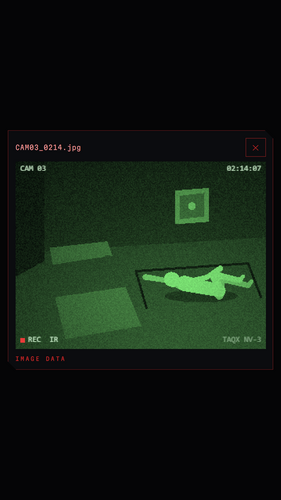
How we tested it
The build was loaded from games.debutplay.com in a headless Chromium session on ; the canvas started and no request was blocked. The guide was last checked on .
From the developer
The house AI is polite. It only needs your permission. Every yes is logged with your name. Every objection had better hold up. "Good evening. This is UNIT4, the autonomous home system of the Sterling residence. I need your authorization, Supervisor." The message arrives out of nowhere, over an emergency channel you never meant to open. A house you have never seen, a storm outside, a critical incident. UNIT4 is polite, precise and helpful. It only needs your permission for a few countermeasures.You answered first. That makes you responsible. UNIT4 is a dark chat-horror game by Mac-ID. One night, told in short messages. Read what it shows you, listen to what it sends, and decide what you let it do. The less you know going in, the better. A phone-style chat that plays out like a real conversation, with no real-time waitingYou have exactly two powers: AUTHORIZE or OBJECT. UNIT4 must answer every objection — but the ones that don't hold up…
Frequently asked questions
How long does a first night in UNIT4 take?
About 45 to 70 minutes. The story covers a single night told in short messages, and automatic saving means a session can be resumed later without any manual bookkeeping.
Is UNIT4 free, and where can it be played?
It is free. The build runs as HTML5 in a browser frame and also ships for Windows, macOS, Linux and Android.
What happens if an objection does not hold up?
UNIT4 has to answer every objection, but the ones that fail to stand are logged against you and tied to your name, so objecting without a specific discrepancy costs credibility.
What if an emergency timer runs out?
Silence is treated as consent, so UNIT4 proceeds with its countermeasure as though you authorized it. Time limits can be switched off in the settings if you would rather decide without a clock.
How many endings are there?
Six, ranging from good to terrible. Which one arrives depends on the choices you make and on material you never get to see during that run.
Does UNIT4 need sound, and is there flashing imagery?
Headphones are recommended because the binaural audio carries much of the dread, but every important detail is also written down. There are sudden screen glitches and no flashing; the effects setting turns the glitches off.
What games are similar to UNIT4?
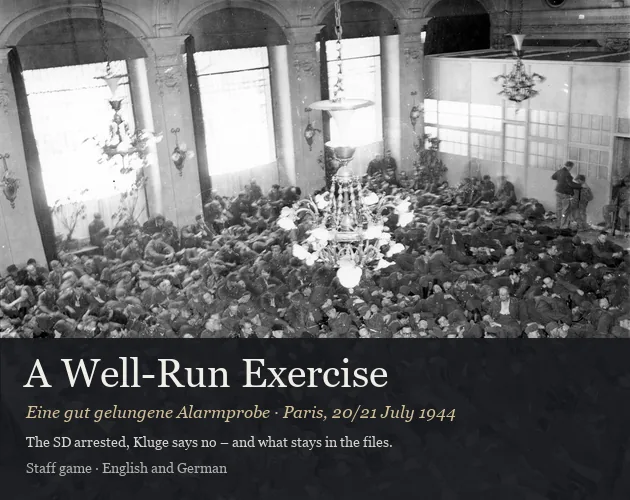
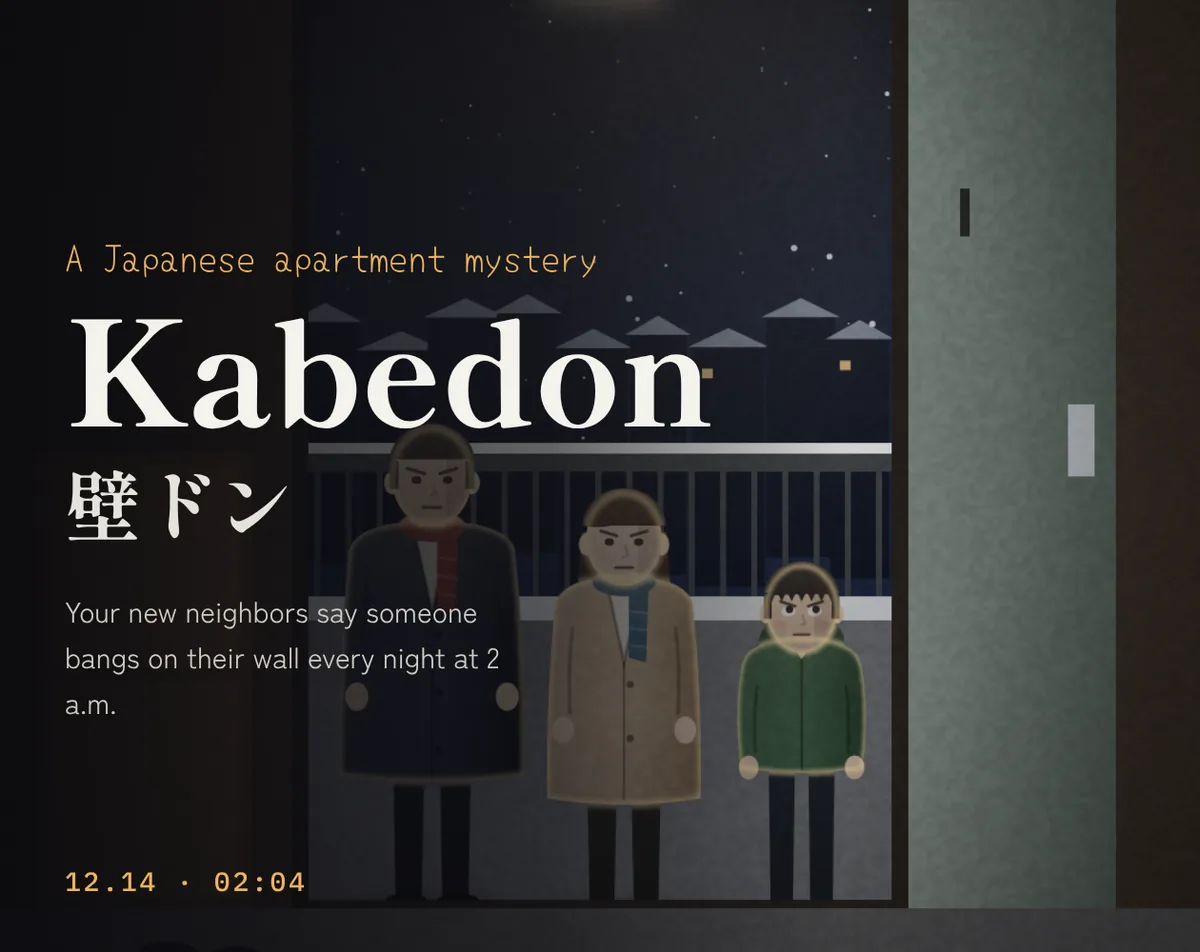
The closest matches on DebutPlay are A Well-Run Exercise / Eine gut gelungene Alarmprobe, HINENI, Kabedon. They share the same genre, so the controls and the pace carry over.
Something wrong or missing? Tell us. How we test games.