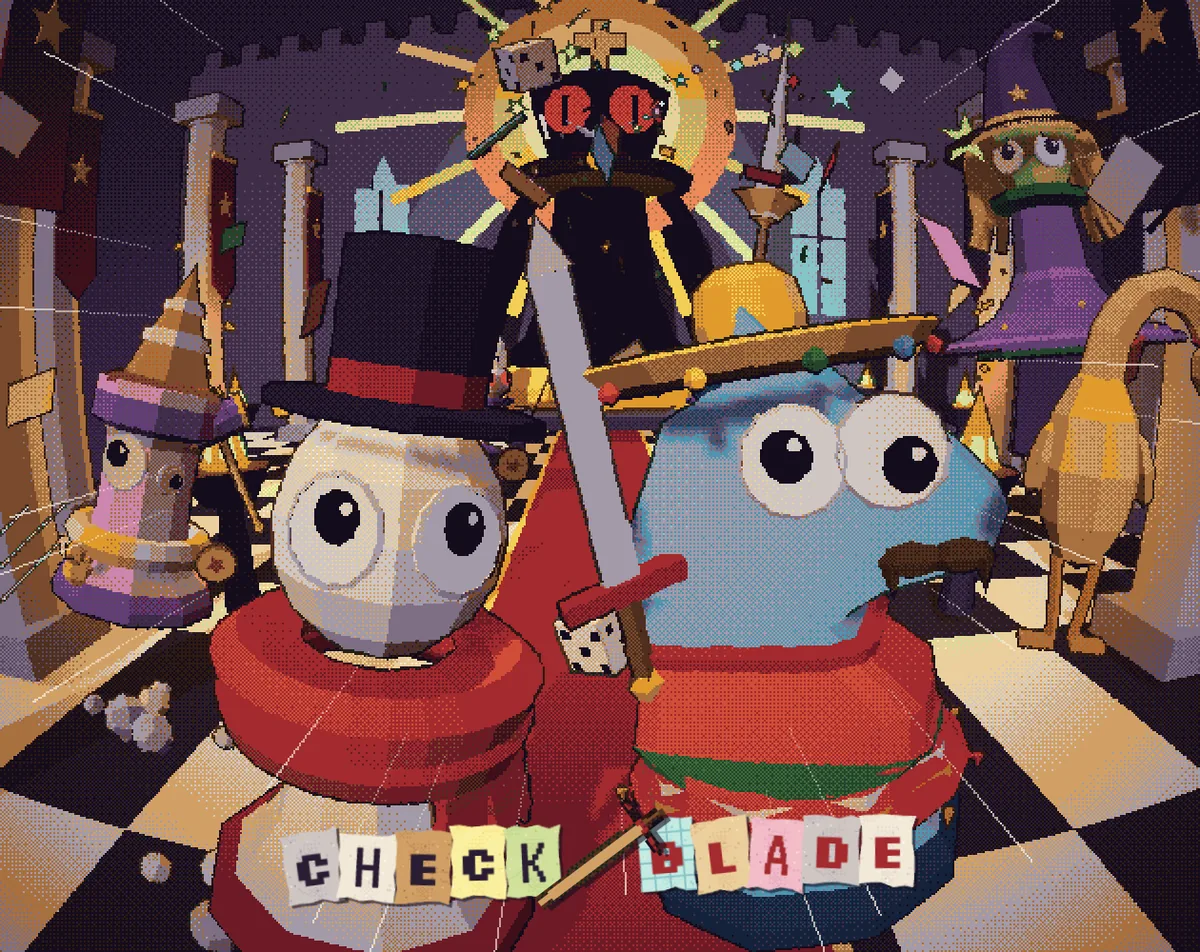
RPG · New game
Checkblade
A browser co-op roguelike where up to six players roll dice around a board, then fight chess monsters with small card hands and shared combos.
#55 this weekAI-assisted: Code, Graphics, Sound, Text
The game runs in this tab. No install, no account.
The short answer
Checkblade is a turn-based co-op roguelike for one to six players that runs in a browser tab. Parties roll dice to travel a board, resolve whatever each square holds, and then fight chess-themed monsters by queuing cards. It is free, still in development, and built to be shared: send a code, dress a piece, and set off across three acts.
What is Checkblade?
Checkblade is a turn-based co-op roguelike for one to six players that runs in a browser tab. A party of chess pieces travels a board by dice, then fights whatever it lands on with a small hand of cards. The game is free, listed for 28 October 2026, and still marked as in development.
A travel unfolds across three acts and mixes several kinds of squares. A monster square drags the entire party into the same battle. A stranger square asks for a decision. Shops, treasure, skill shrines and circus games of chance fill out the rest of the board, and the party votes on which road to take next.
Pieces double as classes. The Bulwark is a rook that shields the party; the Gambler flips coins and spins roulette wheels; the Doctor, Saint, Jester, Chef, Gunslinger and Martial Artist round out a roster that continues beyond those names. Each piece brings its own ability plus its own Legendary and Mythical cards, so the starting choice shapes what the party can do later.
How to play
Travel is turn-based. Players take turns rolling dice on the board, and each square resolves into something: a fight, a choice, a purchase, a shrine visit or a game of chance. Monster squares pull the whole party into one battle, so nobody sits out while someone else fights.
Combat is where the card play lives. Each turn begins with an energy die, and a plan can hold up to three cards. Monsters reveal their intents before the plan is locked in, which is the cue to block a SMASH, stun a boss that is charging, or heal before a heavy hit lands. Striking the same foe as a party member stacks COMBO damage, so focusing fire pays off.
Cards are not fixed for the run. New ones can be learned along the way, and owned cards can be improved all the way to their SUPREME form. Levelling feeds two milestones: promotion at level 20 and ascension at level 30. Anyone who would rather not assemble a full group can play solo and fill the party with CPU companions.
Controls
Everything on screen works with a mouse, and everything works with touch, which matters because the game also runs on phones. No part of the interface forces a keyboard on a player.
Keyboard users get a compact shortcut set instead. Space rolls the dice. Number keys from 1 to 9 add a card to the current plan, Tab takes care of aiming, and Enter locks the plan in. Chat and the bag each open on their own single key, and H hides the HUD for a cleaner view of the board.
The two schemes mirror each other, so one party can mix mouse, touch and keyboard without anyone losing access to a command. Chat on a single key suits groups that want to talk through a vote, and the bag shortcut keeps inventory checks quick between squares.
| Input | Action |
|---|---|
| Mouse | Handle every action on screen |
| Touch | Play the same actions on a phone |
| Space | Roll the dice |
| 1 to 9 | Add a card to the current plan |
| Tab | Aim |
| Enter | Lock in the plan |
| L | Lucky Die |
| T | Open chat |
| H | Hide the HUD |
Tips for your first run
The turn order rewards information. Monster intents are visible before the plan is locked, and the three most common answers are blocking a SMASH, stunning a boss mid-charge and restoring health before a heavy hit resolves. Queue cards with those warnings in mind rather than spending every point of energy on raw damage.
- Aim where the rest of the party is aiming: overlapping attacks on one foe build COMBO damage.
- Treat the energy die and the three-card plan as the real budget for each turn, not the size of the hand.
- Improve a card you already hold all the way to its SUPREME form instead of only collecting new ones.
- Use the party vote to steer toward squares the group is equipped to handle, and let the roster cover each other's gaps.
- Run one solo travel with CPU companions to learn intent reading before hosting friends.
- If the server has been idle, allow up to a minute for the first load rather than assuming the tab has failed.
Content and replayability
Maps come in named flavours: the Scorched Dunes, the Sunken Board, the Crystal Caves, the Twisted Circus, the Haunted Forest and the Starboard among others, each stocked with its own monsters, arenas and guardians. Because the party votes on the route, two travels across the same three acts rarely line up the same way.
Competitive play sits alongside the co-op campaign. PvP duels send two parties racing to a Greek colosseum, where pieces fight piece against piece on a ranked ladder. Endless mode and leaderboards cover every travel length for groups that want to push a run further.
Cosmetics carry the long tail: a wardrobe of 32 hats, hair, beards, outfits and trinkets, plus 32 weapons that include a rubber chicken. Emotes, chat, saved travels, optional accounts and shareable cards of a finished run round out the social side, and the whole game is available in English and Brazilian Portuguese.
Presentation and performance
The look is retro low-poly 3D with dithering and a tight 40-colour palette, giving the chess pieces and their arenas a deliberately chunky, pixel-flavoured edge. The soundtrack is composed live as the run plays, so the music shifts with the board rather than looping a fixed track.
Technically it is an HTML5 build that opens in a browser, with no separate client to install, and it plays on phones as well as desktops. Mouse and touch cover every action, so the same save and the same party work whether someone is at a desk or on a handset.
One practical caveat: the game runs on an online server. When nobody has played for a while, the first load can take up to a minute while it wakes. That is a one-time wait per session, not a sign that something broke, and it is worth mentioning to friends before a scheduled group run.
Who should play it
Groups who want a co-op session without a download are the obvious audience: one player starts a travel, shares the code and up to five others join in. Solo players are not left out, since CPU companions fill empty seats and the same three-act structure applies.
Deck-building roguelike fans will recognise the loop of learning cards, upgrading them to a SUPREME form and reading enemy intents before committing. Chess-flavoured monsters and pieces that behave like classes give that loop a distinct skin, and the level 20 promotion and level 30 ascension give a run clear milestones to chase.
Competitive players have the ranked colosseum duels and the leaderboards for each travel length, while anyone who mostly wants cosmetics and chat has the 32-item wardrobe, the 32 weapons and emotes to work with. Players on phones should feel at home too, because touch covers every action.
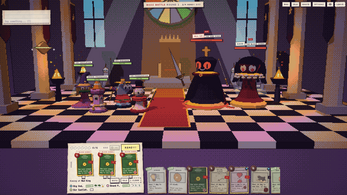
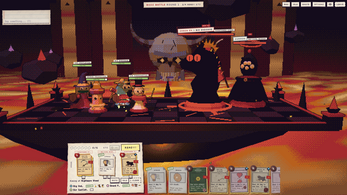
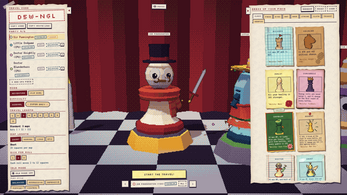
Screenshots
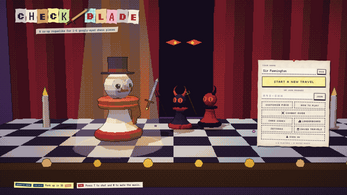
How we tested it
The build was loaded from games.debutplay.com in a headless Chromium session on ; the canvas started and no request was blocked. The guide was last checked on .
From the developer
Roll the dice, hop down the board and fight your way through hellish chess monsters with up to 5 friends. CHECKBLADE is a co-op roguelike for 1–6 players that runs right in your browser. Start a travel, share the code with your friends (or play solo with CPU companions), dress up your piece and set off across three acts of monsters, strangers, shops, circus mini-games and bosses. Take turns rolling the dice on the board. Every square is something: a monster that pulls the whole party into battle, a stranger with a choice to make, a shop, treasure, a skill shrine or a circus game of chance. Roll your energy die, queue up to 3 cards and read the monsters' intents: block the SMASH, stun the charging boss, heal before the big hit. Hit the same foe as your friends for COMBO damage. Learn new cards or upgrade yours all the way to their SUPREME form. Get promoted at level 20 and ascend at level 30. The Bulwark rook who shields the party, the…
Frequently asked questions
Is Checkblade free to play?
Yes. It carries no price, and it opens in a browser, so there is nothing to buy or install before the first travel.
How many players can join one travel?
One to six. A solo player can fill the remaining seats with CPU companions and still run the full board.
Does it work on phones?
Yes. It plays on phones, and touch covers every action, so no keyboard is required.
Is there competitive play?
Yes. PvP duels send two parties racing to a Greek colosseum for piece-against-piece fights on a ranked ladder.
Why can the first load take a while?
The game runs on an online server, and an idle one can take up to a minute to wake before the board appears.
How do cards get stronger?
New cards can be learned during a travel, and held cards can be improved step by step up to their SUPREME form.
What games are similar to Checkblade?
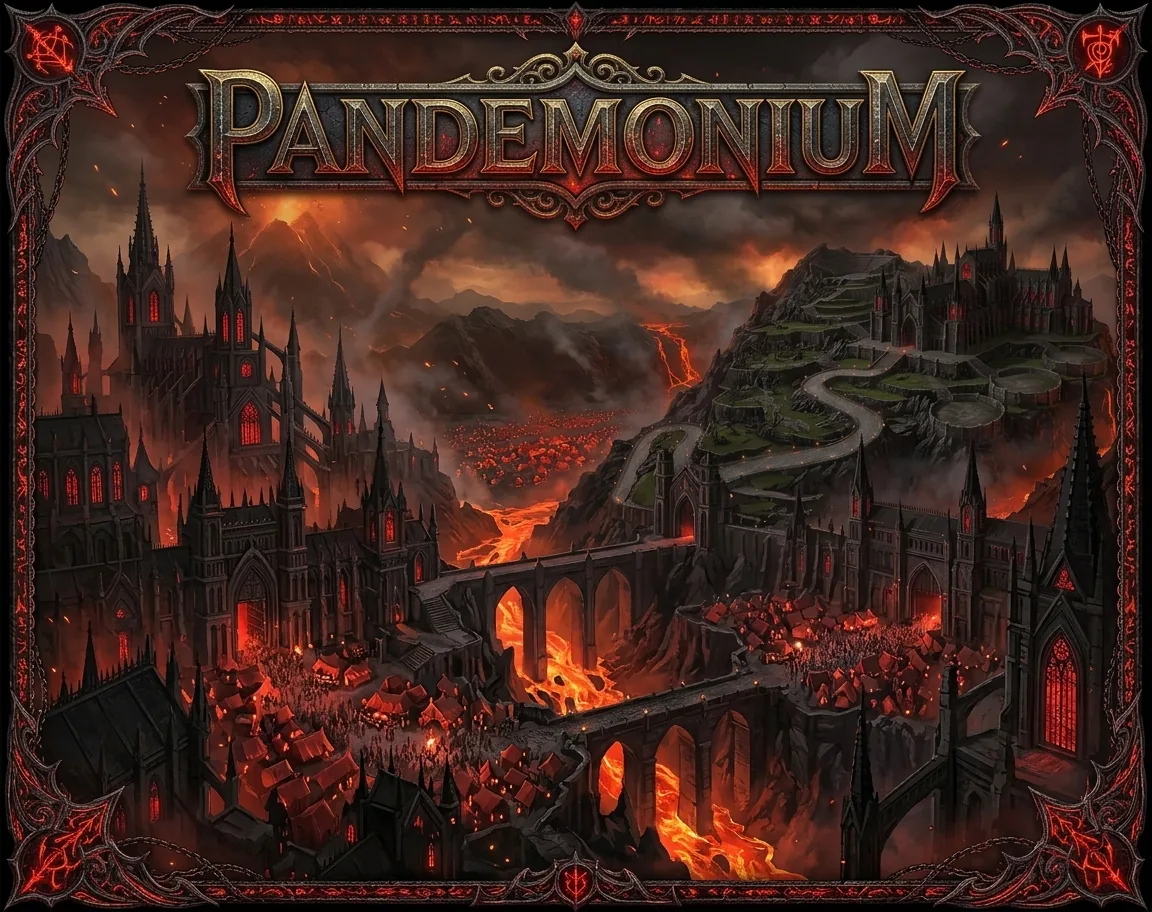
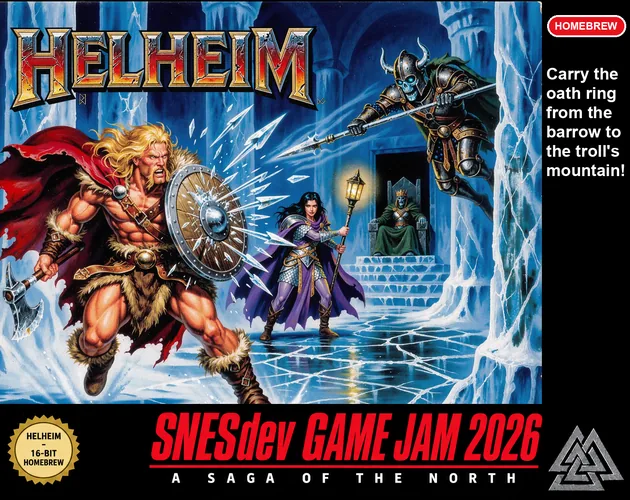
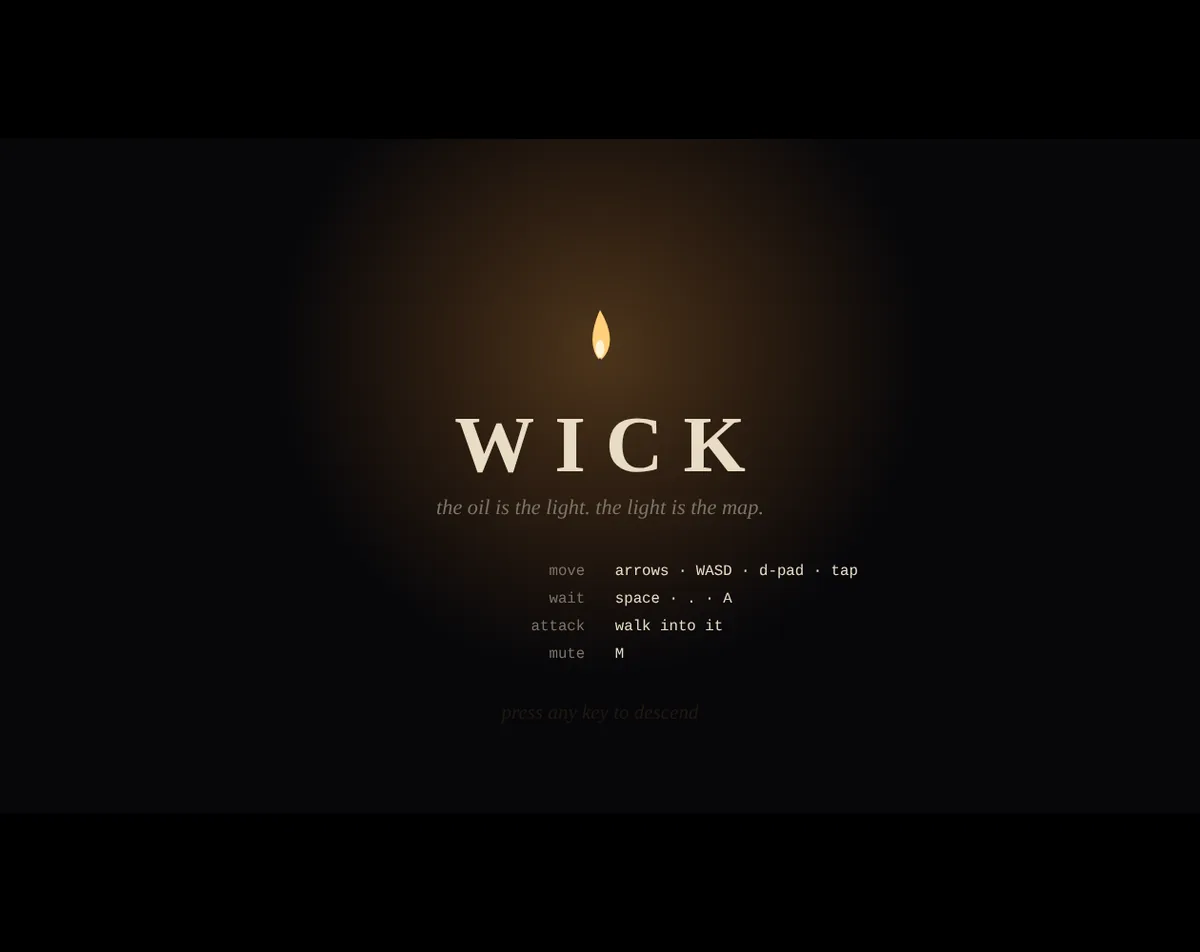
The closest matches on DebutPlay are Pan Demonium: A Good Place to Die, Helheim, Wick. They share the same genre, so the controls and the pace carry over.
Something wrong or missing? Tell us. How we test games.