Simulation · New game
The Miller Clade
A free browser sandbox where genome-bearing cells graze, hunt, split, and mutate while you observe the floor, edit a cell, or possess a lineage.
#47 this weekAI-assisted: Code
The game runs in this tab. No install, no account.
The short answer
The Miller Clade is a free browser artificial-life god game set on a primordial ocean floor. Genome-bearing cells eat, flee, divide, and mutate, so species rise and vanish through ordinary pressures. You can watch the floor, inspect a cell's card, edit genomes, or possess a lineage and choose at each split. It is worth playing now to see evolution behave as a system rather than a script.
What is The Miller Clade?
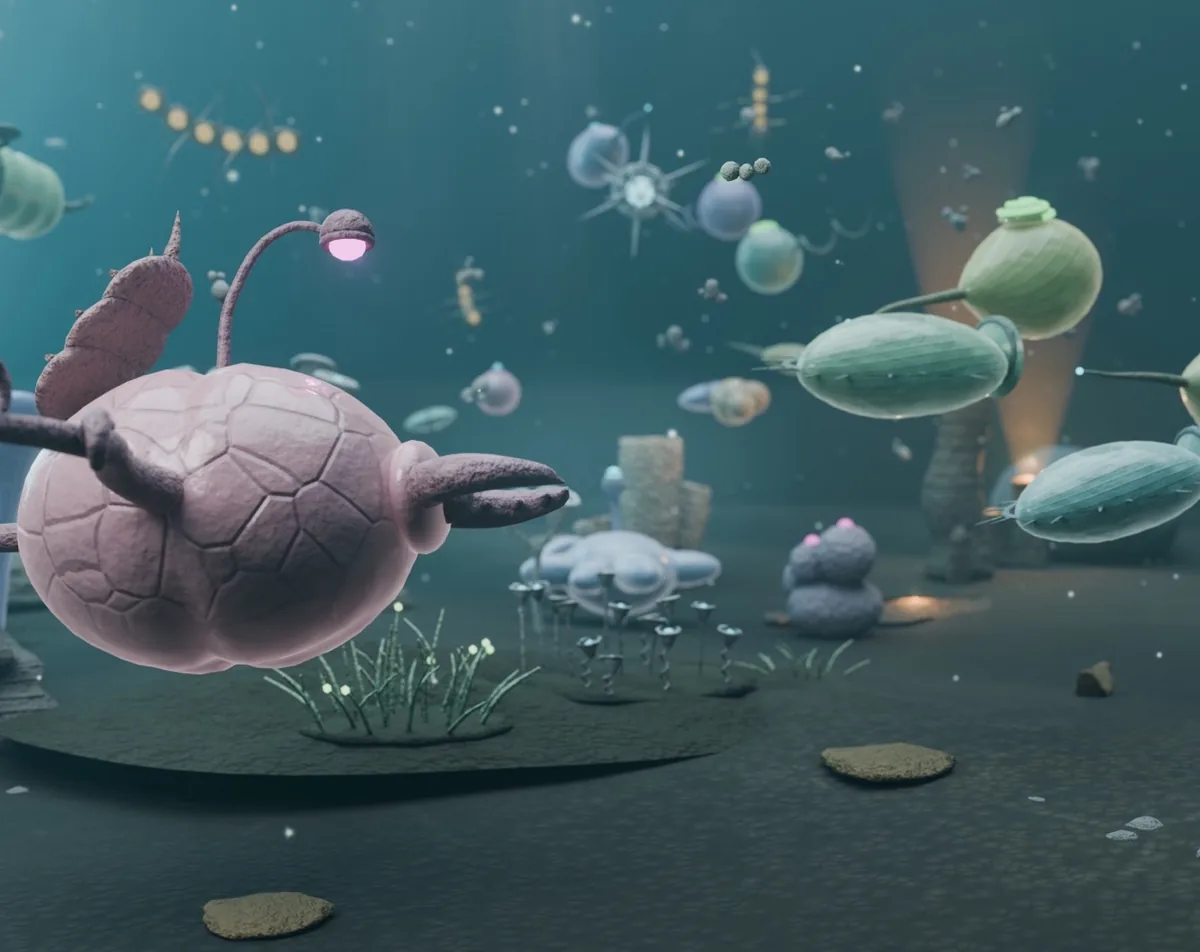
The Miller Clade is an artificial-life god game from wsomdev, currently in development for HTML5 in a desktop browser. Its starting point is the 1953 Stanley Miller experiment, but the game imagines a second flask: a stretch of primordial seabed. There, cells carry genomes and respond to simple pressures. They consume, avoid danger, divide, and mutate; species appear and disappear without authored beats. A browser session begins with a choice between playing a lineage and observing the floor. The free build is a simulation sandbox rather than a hand-scripted story. Light, nutrients, and current create conditions for motes, grazers, and hunters. Each organ drains energy, so bodies involve compromises and selection shapes what persists. Identical seeds produce identical replays, which makes experiments repeatable. The browser version is slower and plainer than the planned desktop builds.
How to play
Start on the title screen: Enter begins a lineage, while W switches to watching the floor. In either view, the simulation continues on its own. Cells graze on motes, hunters pursue grazers, and dead matter returns to the sediment. To inspect a specific organism, click it and follow its card. The card presents its drive, age, meals, kills, genome relative to the species founder, and lineage back to the root. Press G to pause and open the genome editor. There, a cell can be rewritten in place, or a genome can be assembled from a living species, an archetype, a random roll, or a saved preset, then released as a colony. Possession offers a different scale: swim, eat, grow a bud, and split. At each split, choose to remain the parent or become the mutant daughter. If the possessed cell dies, control passes to the nearest member of the line; the run ends when that line is extinct. The wider world keeps running and retains the genetic consequences.
Controls
Control starts at the title screen. Enter begins a lineage, while W switches to observing the floor. With the simulation visible, a click selects a cell and follows that organism; the card then shows its drive, age, meals, kills, genome relative to its species founder, and lineage to the root. G pauses the world and opens the genome editor. From that editor, a cell can be changed in place, or a genome can be built from a living species, an archetype, a random roll, or a saved preset and released as a colony. Possession play uses four verbs: swim, eat, grow a bud, and split. Each split pauses the world so the player can stay with the parent or continue as the mutant daughter. If death occurs, control moves to the nearest member of the line and lasts until extinction. The overall loop is observe, inspect, pause, modify, and watch the floor respond.
| Input | Action |
|---|---|
| Enter | Start a lineage from the title screen |
| W | Watch the floor from the title screen |
| Click | Select and follow a cell |
| G | Pause the world and open the genome editor |
Tips for your first run
Begin with a short watch session to learn the floor's rhythms. Light, nutrients, and current set where motes appear; grazers follow those blooms, and hunters follow the grazers. Click a few cells before editing anything, because the card lets you compare an individual's genome with its species founder and trace its ancestry. Use G when you want a clean comparison: the world pauses on the genome editor, so a modified colony can be released without losing the surrounding context. In possession play, treat each split as a branch point. Staying the parent preserves the current body, while becoming the mutant daughter tests a variation; the line continues through the nearest relative if the active cell dies. Keep energy costs in mind. Each organ consumes energy, so a striking trait can impose a real burden. To compare outcomes, reuse a seed: identical seeds replay identically across machines, which makes before-and-after tests meaningful. Do not expect a fixed story; the interest comes from watching selection work on the population.
- Use W for an observation pass before pressing Enter.
- Click several cells to compare genomes against each species founder.
- Pause with G before editing, then watch the population rather than the edited cell alone.
- In possession play, use a split to test a mutant branch against the parent line.
- Reuse a seed when comparing a pressure, an edit, or a possessed line.
Content and replayability
The current build covers an artificial-life loop on the ocean floor: motes, cells, grazing, hunting, and photosynthesis, plus budding, mutation, and species. Players can follow a lineage through chapter one, review a run, inspect the Keeper card, and use the genome editor. Replay value comes from seed determinism and from pressures that alter selection. Three paired experiments each use 12 seeds and measure a trait after 50,000 ticks. With hunters present, grazers' top speed reads 1.15 versus 0.87 without them; under half light, mixotroph chloroplast area is 1.13 versus 1.35; when hunters favor easy prey, armed grazer armor is 0.50 versus 0.36. Those outcomes were not arranged by hand. The same world can therefore be replayed to compare a pressure, a genome edit, or a possessed line. Planned work includes Keeper brushes for nutrients and currents, charts, world saving, and support for a thousand cells running at 60 fps. Later plans mention new evolvable organs, a roughly three-hour arc from bare floor to living reef, sound, and downloadable macOS, Windows, and Linux builds.
Presentation and performance
The browser build runs its entire simulation in script, which makes it slower and less visually rich than the planned desktop version. The first load fetches roughly 80 MB. The game is made with Godot, and every model and texture is generated by code. That procedural approach fits the subject: the floor, motes, cells, and their forms are products of the simulation rather than hand-painted assets. The interface leans on readable system views: a selected cell's card, a genome editor with the organism rotating on a stage, compiled traits, and genes shown section by section. The current release is an HTML5 build for desktop browsers. Performance expectations should match a script-driven browser simulation, not a native desktop release. Desktop builds for macOS, Windows, and Linux are planned for later. A playable browser frame is available, and the project remains in development.
Who should play it
This is for players who enjoy artificial life, evolution, and god games that reward observation more than reflex. The appeal is watching a population respond to light, nutrients, current, and predation, then testing a change through the Keeper card or genome editor. Sandbox players who like procedural systems will find repeatable seeds and measurable pressures; a paired experiment can be rerun to see whether a trait shifts. Players who prefer direct control can possess a cell and make split-by-split choices, while those who want a quieter session can watch the floor. The singleplayer focus and calm pace suit a patient, systems-minded mood. The browser build is free and runs on desktop HTML5, so trying it requires no purchase. Anyone who wants a finished release should note that the project is in development; chapter one, a run recap, and the editor are present, while brushes, charts, saving, and larger cell counts are planned. The game is best approached as a living sandbox to inspect rather than a fixed sequence to complete.
Screenshots
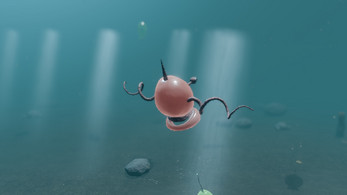
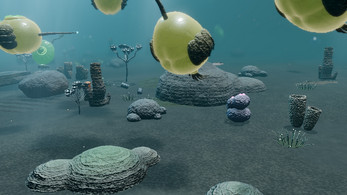
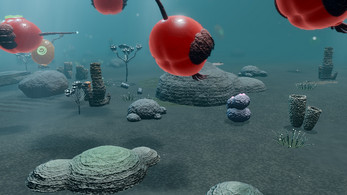
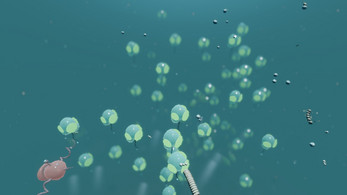
How we tested it
The build was loaded from games.debutplay.com in a headless Chromium session on ; the canvas started and no request was blocked. The guide was last checked on .
From the developer
A drop of water, a floor of sediment, and whatever learns to live there.The Miller Clade is an artificial-life god game. In 1953, Stanley Miller ran sparks through a flask of water and gas and found the building blocks of life. This is a second flask: an open patch of primordial ocean floor where cells with real genomes eat, flee, split and mutate, and species rise and vanish on their own.The demo above runs in your browser (a desktop browser; the first load fetches about 80 MB). Press Enter on the title to play a lineage, or W to watch the floor. It runs the whole simulation in script, so it is slower and plainer than the desktop build to come.Nothing here is scriptedLight falls from above, nutrients rise from the sediment, a slow current stirs the water. Motes bloom where light and nutrients meet. Grazers eat the blooms, hunters eat the grazers, and the dead sink and feed the floor again. Every organ a cell carries costs energy, so…
Frequently asked questions
Is The Miller Clade free?
Yes. The browser build is free to play.
What platform does it run on?
It is an HTML5 game intended for a desktop browser.
How do you start a lineage?
Press Enter on the title screen. Press W instead to watch the floor.
How do you edit a genome?
Click a cell, then press G to pause on the genome editor. A cell can be rewritten in place, or a genome can be assembled from a living species, an archetype, a random roll, or a saved preset and released as a colony.
What happens when a possessed cell dies?
Control transfers to the closest member of the line, and play continues until the line is extinct.
Is there multiplayer?
No. The game is singleplayer.
What games are similar to The Miller Clade?
The closest matches on DebutPlay are Attract Mode, Baba Records, Rooftop. They share the same genre, so the controls and the pace carry over.
Something wrong or missing? Tell us. How we test games.